A faster metabolism isn’t just about “burning calories.” It’s the foundation of how alive you feel - how warm your hands are, how well you sleep, how fast you recover, how balanced your hormones stay. When metabolism slows, everything contracts: mood, fertility, digestion, focus, and even willpower. When it speeds up, life expands.
I’ve been obsessed with metabolism for over a decade - testing diets, tweaking training protocols, and digging through research. I’ve watched what worked for my dancer friends, gym rats, and my bodybuilder brother who’s always chasing the next metabolic edge - and tested every idea on myself.
Below is my classification of what works, what’s weak, what’s dangerous, and what’s basically myth. Under each, I include explanatory mechanisms, caveats, and where possible, quantitative estimates.
✅ Works & Worth Trying
1. Build Muscle Mass
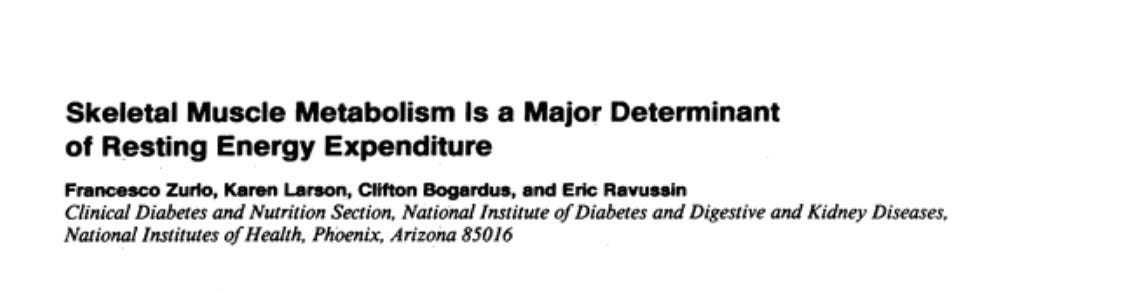
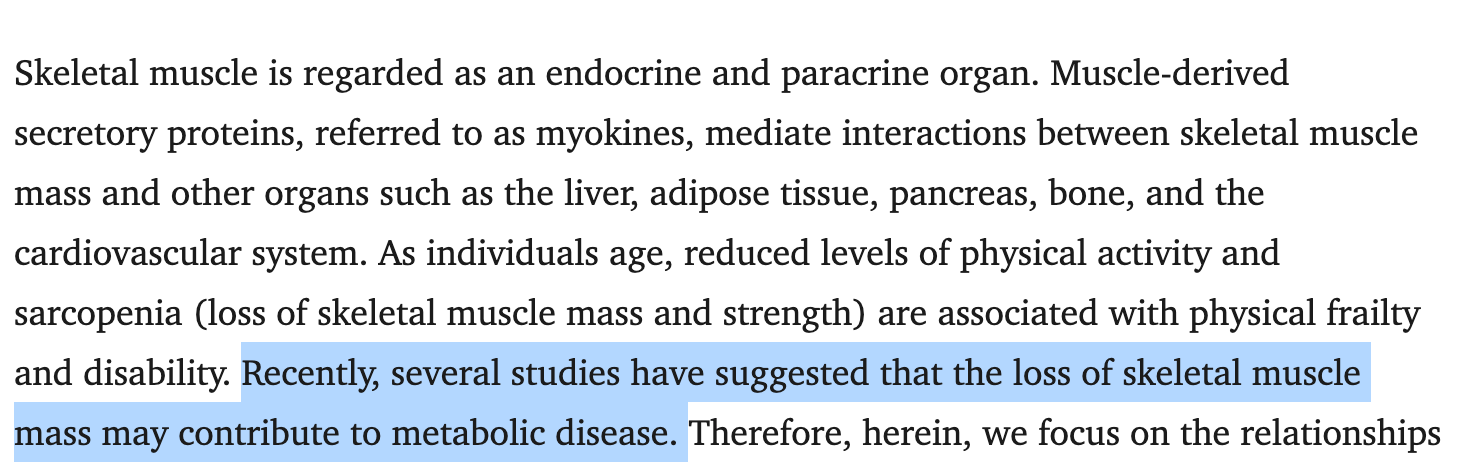
Mechanism: Your basal metabolic rate (BMR) is partly determined by your lean tissue (especially skeletal muscle). More muscle = more resting energy demand (even when you’re doing nothing).
Quantitative: In general population data, muscle mass is consistently one of the strongest predictors of BMR. Every ~10 lbs of added muscle can raise your basal metabolic rate by roughly 4–7%, especially if that muscle is alive- fed, trained, and glycogen-loaded. Studies show resistance training can raise resting metabolism over time, confirming that lean, functional muscle isn’t just aesthetic- it’s metabolically expensive tissue. The effect is smaller in underfed or inactive muscle, but in a nourished, anabolic body, muscle acts like a built-in metabolic amplifier.
2. Strength Training (Resistance Work)
Mechanism: Beyond building muscle, strength training causes post-exercise metabolic elevation (EPOC, repair, remodeling), shifts substrate use, and increases mitochondrial capacity in muscle.
Quantitative: A meta-analysis of resistance training interventions over months shows average BMR increases of ~5%. Another example: In one review, 10 weeks of resistance training increased lean weight by ~1.4 kg and BMR by ~7%.

Caveat: There’s wide interindividual variation. Some people see little change, others more. Also, if you don’t feed the muscle (protein, carbs, recovery), gains stall or you shred muscle.
From the trenches: In my studio crew, the people who stuck to a mixed heavy+volume lifting protocol (and prioritized recovery) saw consistent metabolic “carryover” - their resting energy felt higher, hunger more stable, etc.

3. General Daily Movement / NEAT (Non-exercise Activity Thermogenesis)
Mechanism: The fidgeting, walking, chores, standing, pacing - all those small movements add up. If you can be less sedentary, you shift your total daily expenditure significantly.
Quantitative: Some NEAT estimates suggest going from sedentary to “active but non-exercising” can add 5–20% to total daily energy expenditure.
Evidence: While NEAT is notoriously hard to measure, studies in obesity and thermogenesis strongly support its role in explaining energy balance differences between people with similar body size.
4. High Protein Diet
Mechanism: Protein has the highest thermic effect of feeding (TEF) - more energy is expended to digest, absorb, and assimilate protein. Additionally, protein supports muscle maintenance/growth.
Quantitative: Protein is the most thermogenic macronutrient = it costs the most energy to digest and assimilate. Studies show that 15–30% of the calories from protein are burned just during digestion, compared to 5–10% for carbs and close to zero for fat. That alone gives protein a metabolic edge.
Caveat: balance matters. Excess lean muscle meat can become anti-thyroid if overused - mostly due to certain amino acids like cysteine and methionine that shift sulfur metabolism and slow thyroid output when they dominate the protein pool. That’s why I emphasize gelatin, collagen, and brothy proteins. They counterbalance those aminos, support connective tissue, calm inflammation, and are easier to digest.
In practice: a protein-rich diet, especially with a mix of muscle and gelatin proteins, keeps metabolism up, stabilizes blood sugar, and helps the thyroid stay responsive instead of suppressed.
5. Whole, Unprocessed Foods
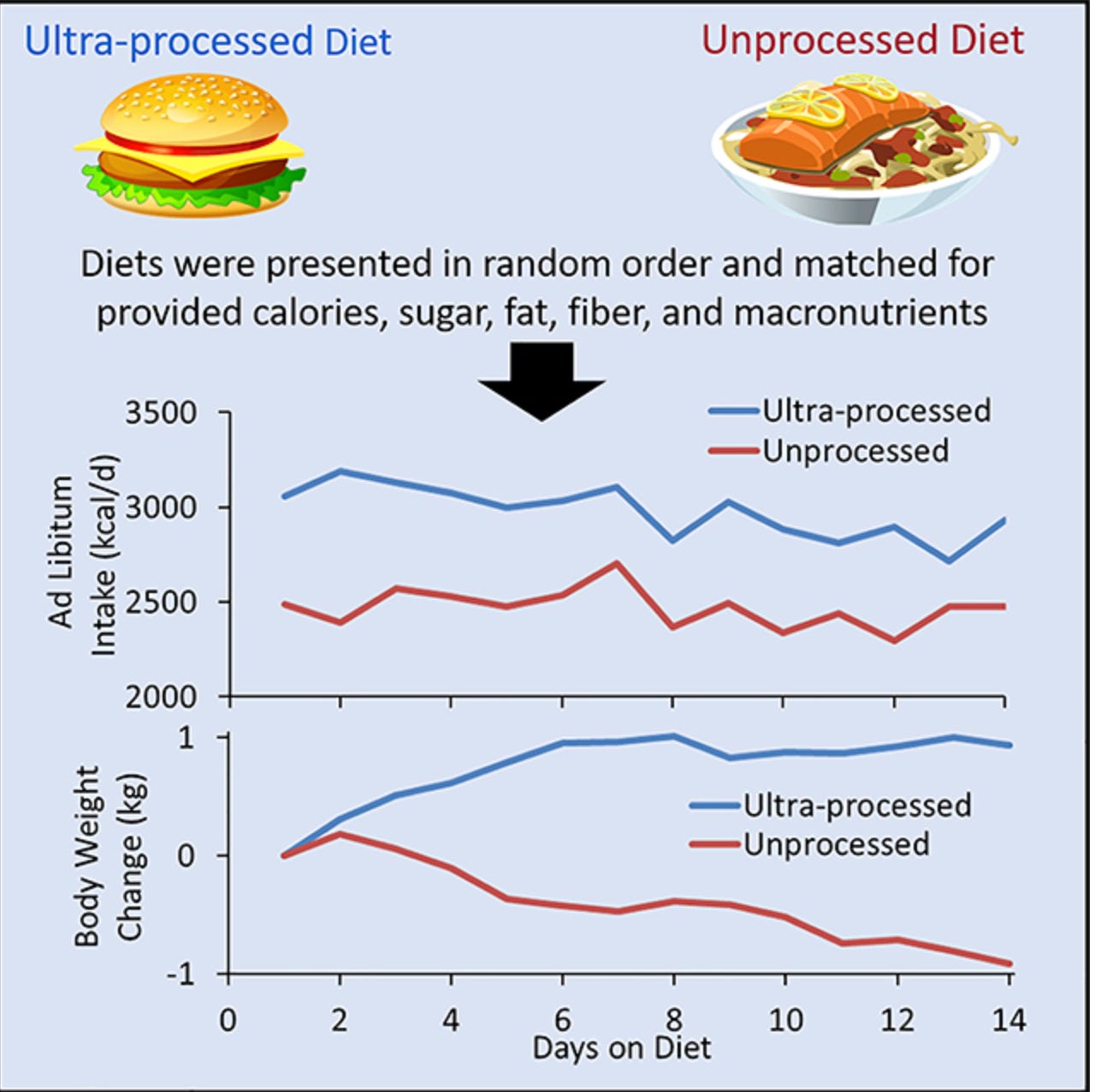
Mechanism: Whole foods generally have more fiber, more complex matrices, and require more energy to chew, break down, absorb. The “matrix effect” raises calorie cost of digestion. Also, fewer additives, anti-nutrients, or synthetic emulsifiers may reduce metabolic drag.
Quantitative: Some estimates suggest shifting entirely from ultra-processed to whole foods might boost daily metabolism by ~2–4%.
6. Carbohydrates (the “Pro-Metabolic” Carbs: Fruit, Juice, Honey)
Mechanism: Carbs are the body’s preferred metabolic fuel, not the enemy they’ve been made out to be. They quiet stress hormones like cortisol and adrenaline, stabilize blood sugar, and directly support thyroid conversion (T4 → T3). Glycolysis - the process of burning glucose - is what keeps your cellular engines primed. When carbs drop too low, that entire system slows, forcing the body into a stress-driven metabolism that burns cleaner on paper but collapses long-term.
Quantitative: In chronically dieting or underfed individuals, bringing carbs back in - especially from low-stress sources like fruit, honey, and juice - often triggers a real metabolic rebound. Functional endocrinology data and clinical observation both suggest a 3–10% increase in metabolic rate once stress hormones normalize and thyroid output recovers.
Short-term studies often show low-carb diets leading to temporary fat loss - yet long-term data consistently find that chronic carb restriction lowers T3, raises reverse T3, and blunts resting metabolic rate. In other words, it looks good for a few months, then burns you out. In modified Atkins (a low-carb protocol), a 12-week trial showed a ~13.4% drop in T3/fT3 and a ~12.1% rise in fT4. In crossover trials of ketogenic vs high-carb isocaloric diets, participants tend to show a decline in T3, suggesting the body downregulates thyroid activation under low-carb states.
In my own trials, dialing carbs up - particularly simple, clean ones - always produced steadier warmth, better training recovery, and a predictable hunger rhythm. Every single “high-carb phase” I’ve run improved my morning temperature and thyroid labs, including lower TSH and reduced reverse T3.
7. Ditching PUFAs and Seed Oils
Most people underestimate how much polyunsaturated fat (PUFA) - especially omega-6 linoleic acid - they eat daily. These fats aren’t inert. They integrate into cell membranes, alter thyroid signaling, and suppress metabolic enzymes at the mitochondrial level.
Mechanism: PUFAs are chemically unstable and prone to oxidation, creating lipid peroxides that disrupt thyroid hormone conversion and blunt metabolic rate. They also compete with saturated fats in the mitochondrial membrane, making energy production less efficient. This is why high-PUFA diets consistently lower oxygen consumption and body temperature in animal studies.
Animal models show that high-linoleic diets reduce thyroid hormone output and impair the thermogenic response.
Mechanistic work in endocrinology has long discussed the anti-thyroid effects of polyunsaturated fats, with consistent reductions in metabolic enzyme activity and T3 production.
Cutting seed oils (soy, canola, safflower, sunflower) and switching to saturated fats like butter, tallow, or coconut oil consistently improves metabolic tone. Biology doesn’t lie: a body low in oxidation-prone fats burns cleaner, handles thyroid hormone better, and runs with less inflammation.
8. Dairy: The Forgotten Metabolic Food
For decades, dairy was demonized as “fattening” or “inflammatory.” In reality, it’s one of the most metabolically protective foods a human can eat.
Mechanism
Dairy is a perfect metabolic food: it provides high-quality protein (casein and whey), calcium that directly supports thyroid and parathyroid balance, and lactose - a mild insulin-stimulating sugar that keeps liver glycogen topped up and cortisol low. That combination alone makes it anti-stress and pro-thyroid.Calcium from dairy also blunts parathyroid hormone, lowers intracellular calcium, and improves mitochondrial respiration - effects you don’t get from plant sources. This calcium-to-phosphate ratio is one of the key levers of energy metabolism and long-term tissue health.
Why It Works
When lactose and casein are paired with saturated fat, they stabilize blood sugar and enhance thyroid hormone conversion in the liver. That’s why people who reintroduce milk after years of avoidance often notice warmer hands, deeper sleep, and fewer adrenaline spikes.Cautions
Dairy intolerance isn’t random - it’s usually a sign of weak digestion, low thyroid function, or a damaged gut barrier. Once metabolism improves, many regain tolerance. Raw or low-fat milk, fresh cheeses, and cultured dairy (kefir, yogurt) tend to be the easiest entry points.
Dairy supports the metabolic engine by feeding the liver, stabilizing blood sugar, and lowering systemic stress. In a low-PUFA, pro-thyroid diet, it’s not optional - it’s foundational.
9. Feeding Rhythm and Chronometabolic Repair
Metabolism isn’t just what you eat - it’s when you eat. The body doesn’t burn fuel randomly; it follows a circadian choreography. Every organ, from the liver to the thyroid, runs on light–feeding cues that set the pace for energy production and hormone conversion.
Metabolic pathways aren’t constant - they peak and trough across the 24-hour cycle, with nutrient utilization, mitochondrial respiration, and hormonal activity rising when feeding aligns with the biological day. Late or erratic eating flips these rhythms, shifting fuel use toward fat oxidation and stress hormones instead of glucose oxidation and thyroid-driven energy.
Mechanism
Regular, daylight-aligned meals synchronize the central and peripheral clocks. Each meal acts as a metabolic “time stamp” that stabilizes insulin signaling, lowers cortisol spikes, and keeps liver glycogen steady - the fuel that prevents the stress cascade. When glycogen is stable, thyroid activation remains strong, T3 stays high, and adrenaline stays quiet.
Empirical Effects
People who eat rhythmically tend to have:
Higher morning and mid-day body temperature
More stable glucose and mood
Better digestion and sleep onset
Reduced need for stimulants
Skipping meals or delaying breakfast does the opposite. It creates energy debt, pushes cortisol up, and trains the body into defensive metabolism - a slow, cold, sugar-starved state.
Bottom Line
Chronometabolic eating isn’t about willpower or “discipline.” It’s about restoring biological timing so the body stops running on stress hormones. Regular meals are a signal of abundance. They tell the body it’s safe to burn, rebuild, and restore. Read more about chronotherapy here.
⚠️ Weak Effect (Not Worth Prioritizing)
Green Tea / Mild Caffeine
Mechanism: Stimulants mildly raise metabolic rate, increase heart rate/thermogenesis, often via sympathetic activation.
Quantitative: After habituation, net gains are small - typically <2% net daily boost in many people.
Evidence: Many caffeine/tea thermogenesis studies show acute effects, but rapid tolerance. The net long-term benefit in caloric balance is modest at best.
Caveat: If you’re sensitive, caffeine can raise cortisol, interfere with sleep, or cause jitteriness, which can negate metabolic benefit.
Saunas / Baths / Heat Exposure
Mechanism: Elevated body temperature, increased circulation, mild cardiovascular stress.
Quantitative: Very small - perhaps <1% of daily energy use. One-hour sessions might burn an extra 15–30 calories - negligible in a metabolic sense (though useful for recovery, mood, circulation).
Evidence: There is little to no strong support for saunas/heat as a reliable metabolic accelerator. Most gains are indirect (recovery, circulation, hormesis).
My view: Use them for recovery, mental health, detox/support, not as a “metabolism hack.”
Cold Water Drinking / Cold Exposure (Mild)
Mechanism: Your body expends energy to warm cold water or tissues.
Quantitative: Very small, <0.5% daily effect (unless you go extreme cold, which brings its own risks).
Evidence: The “calories to heat a 500 ml cold drink” trick is often oversold. Real metabolic shifts require sustained thermogenic stress (cold immersion, severe cold exposure), which become stressors themselves.
A caution: chronic cold stress can raise cortisol, which may counter any minor boost.
Spicy Foods (Capsaicin, “Thermogenic Spices”)
Mechanism: Capsaicin activates TRP channels, raises sympathetic tone, mild thermogenesis.
Quantitative: You might squeeze a 5% boost for a few hours immediately after a spicy meal; but in long-term net terms, perhaps 1–2%.
Evidence: There is a body of small-scale thermogenic spice research showing acute boosts, but practicality (palate tolerance, gastric irritation) limits how much one can sustainably consume.
Weighted Vests / Resistance During Daily Activity
Mechanism: Slightly raises the energy cost of movement.
Quantitative: Marginal unless used extensively.
Evidence: Some small studies show small extra calorie burn, but most benefit is from increased movement duration or consistency not the extra weight.
My view: If it increases your movement (you wear weights and walk more), fine; but wearing it passively all day rarely shifts the metabolic baseline.
Low-dose Aspirin
Mechanism: low-dose aspirin is anti-inflammatory, modulating prostaglandins, possibly supporting thyroid pathways.
Quantitative: Probably mild, in the <2–3% territory, if any.
Evidence: Very little robust human data. The balance of risk vs benefit in using aspirin as a metabolic or thyroid modulator needs care (GI risks, bleeding).
My take: If you already have clinical indication (e.g. vascular risk), it may serve dual benefit; but I don’t lean on aspirin as a primary metabolic tool.
Yohimbine
Mechanism: Blocks α₂-adrenergic receptors to stimulate lipolysis/thermogenesis in theory.
Quantitative: In some individuals, you might see 3–5% increases in energy expenditure over a few hours.
Evidence: Mixed; some studies show lipolytic effects, but side effects (anxiety, high blood pressure, cardiac risk) are nontrivial.
My experience: I’ve seen it “work” in folks who tolerate it (especially early morning fasted), but many bail due to jitters or sleep disruption. It’s more of a “tool in extreme cutting phases” than a baseline strategy.
☠️ Works but Too Dangerous (Don’t Touch Without Medical Oversight)
DNP (Dinitrophenol)
Mechanism: Mitochondrial uncoupler - forces metabolism to burn substrate as heat rather than ATP.
Quantitative: Theoretically up to 50% or more metabolic increase (in extreme misuse).
Reality: It’s notorious for toxicity, fatal overdoses, hyperthermia, organ damage. It is illegal in most places for human use.
Verdict: Rarely worth the risk; background horror stories abound.
Clenbuterol
Mechanism: β-adrenergic agonist; increases metabolic rate and lipolysis.
Quantitative: Some sources claim 10–20% metabolic boost at higher doses.
Problem: Has serious cardiac, arrhythmia, muscle wasting risks. Many bodybuilders and athletes use it in cycles, but it is not safe for general population.
High-Dose Thyroid Medications (Off-Label Use / Self-Titration)
Mechanism: Thyroid hormones (T3/T4) power basal metabolism; raising them increases RMR (within limits).
Quantitative: Depending on dose, can push 10–50% or more metabolic increase but once you go off, strong “rebound” and risk of thyroid suppression, arrhythmias, bone loss, anxiety, etc.
Evidence: Clinical endocrinology strongly cautions against using supraphysiologic thyroid dosing in euthyroid individuals.
My cautionary note: I’ve seen people chase “extra T3” gains, burn out, crash, and damage their endogenous thyroid axis. Use only under lab-guided medical supervision.
High-Dose Aspirin or Other NSAIDs (Abuse)
Mechanism: High-dose anti-inflammatories interfere with prostaglandins, possibly modulate metabolic signaling.
Risk: GI bleeding, kidney/liver strain, interference with adaptive immunity, etc.
Nicotine
Mechanism: Strong sympathomimetic stimulant and appetite suppressor.
Quantitative: Can raise metabolic rate, particularly in smokers or nicotine users.
Problem: Dependence, vascular damage, addiction, rebound weight gain when quitting.
Growth Hormone / Steroid Drugs
Mechanism: Stimulate protein turnover, lipolysis, anabolic drive, etc.
Risks: Cancer, insulin resistance, hormonal suppression, endocrine disruption, cost, side effects, etc.
🚫 Does Not Work / Myth / Counterproductive
Frequent Small Meals (Just to “Boost Metabolism”)
Myth: The idea that eating every 2–3 hours revs your metabolism more than 3 solid meals.
Evidence: Multiple RCTs show that increasing meal frequency (while keeping calories constant) does not increase 24-h fat oxidation or metabolic rate.
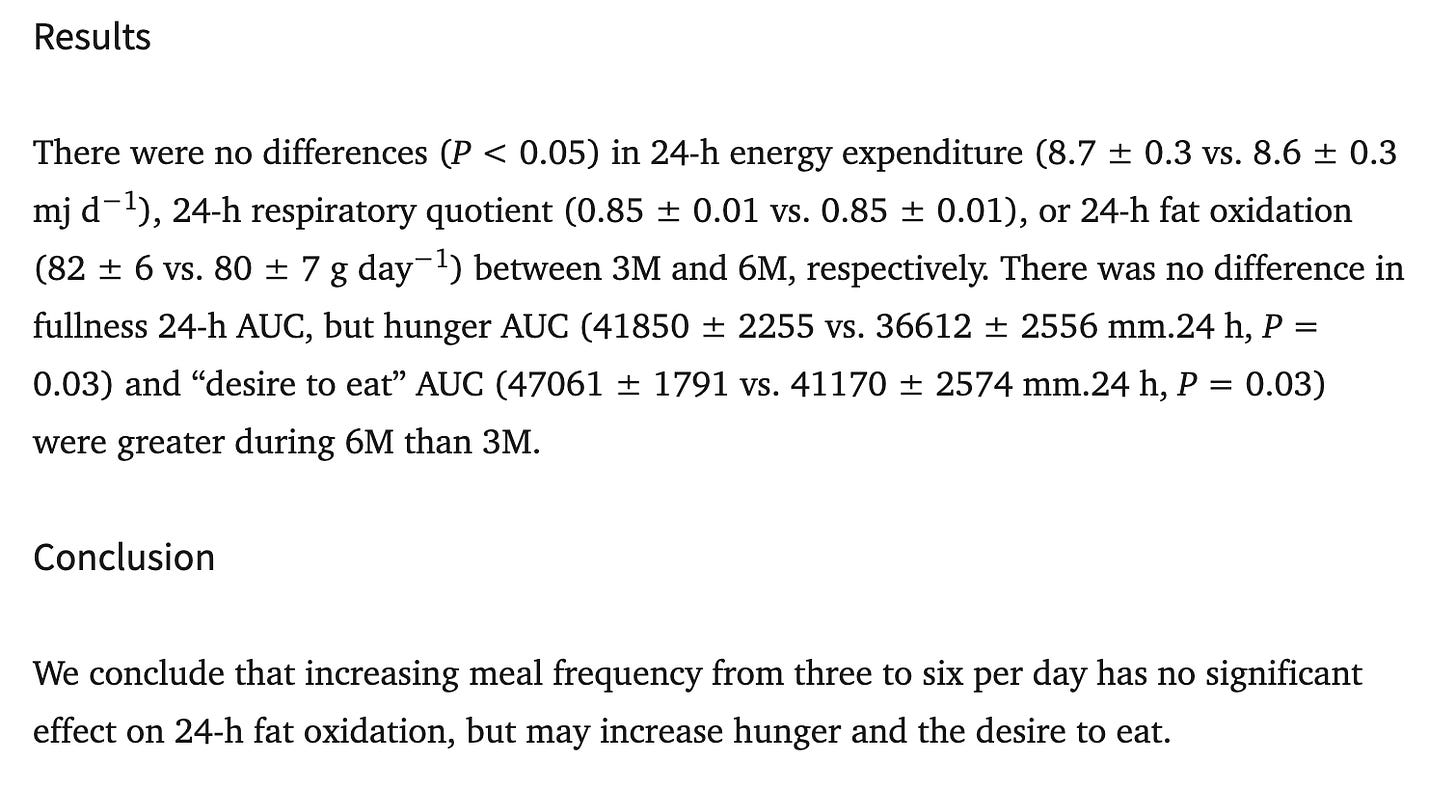
One study moved lean males from 3 to 14 meals/day (iso-energetic) and found no difference in 24-h oxidation.
My verdict: I still sometimes recommend smaller, frequent meals for stress/insulin management, but not because it reliably boosts metabolism.
Detox Diets
Myth: That “cleansing” herbs, juices, or supplements “reset your metabolic furnace.”
Reality: No robust evidence. Often, what actually happens is inadvertent caloric restriction (i.e. you’re under-eating), which slows metabolism if prolonged, plus stress.
Danger: Some detox regimens cause electrolyte imbalance, diarrhea, nutrient depletion, stress.
Cheat Meals (As a Strategy to “Restart” Metabolism)
Myth: A high-calorie cheat (or carb “refeed”) will “shock” your metabolism upward.
Reality: Short-term refeed can transiently upregulate leptin, but most of the metabolic effect is water, glycogen, sodium shifts - not a sustained metabolic jump. If unchecked, cheat meals lead to overshooting, fat gain, and worsened insulin sensitivity.
Reverse Dieting (Slowly Raising Calories to “Rev” Metabolism”)
Myth: You keep your metabolic rate depressed for so long that you can slowly re-expand calories and stimulate a sustained extra bump.
Reality: Many gains in early phases are glycogen/water storage, temporary TEF rise, or error in measurement. Real sustained metabolic increase tends to plateau.
My view: Reverse dieting is safer than abrupt overfeeding, but it is more of a guardrail against fat rebound than a true metabolism accelerator.
Lemon Water / “Just Drink More Water”
Myth: That drinking more (or adding lemon) significantly speeds metabolism.
Reality: The metabolic effect of plain water is trivial (heating/processing costs minimal).
Caveat: Adequate hydration is essential for cellular metabolism, but extra “water tricks” don’t move the needle meaningfully.
“Negative Calorie” Foods (e.g. Celery, Cucumber, etc.)
Myth: Some foods burn more calories to digest than they provide.
Reality: Digestive energy costs (TEF) never exceed the caloric availability in whole foods.
My note: I use low-calorie vegetables for volume, fiber, satiety - not because I believe they “burn” net negative.
Very Low-Carb / Keto (in Metabolic Optimization Contexts)
Very low-carb or strict keto often suppresses metabolic rate, lowers body temperature, and can provoke thyroid drift or stress hormone imbalance
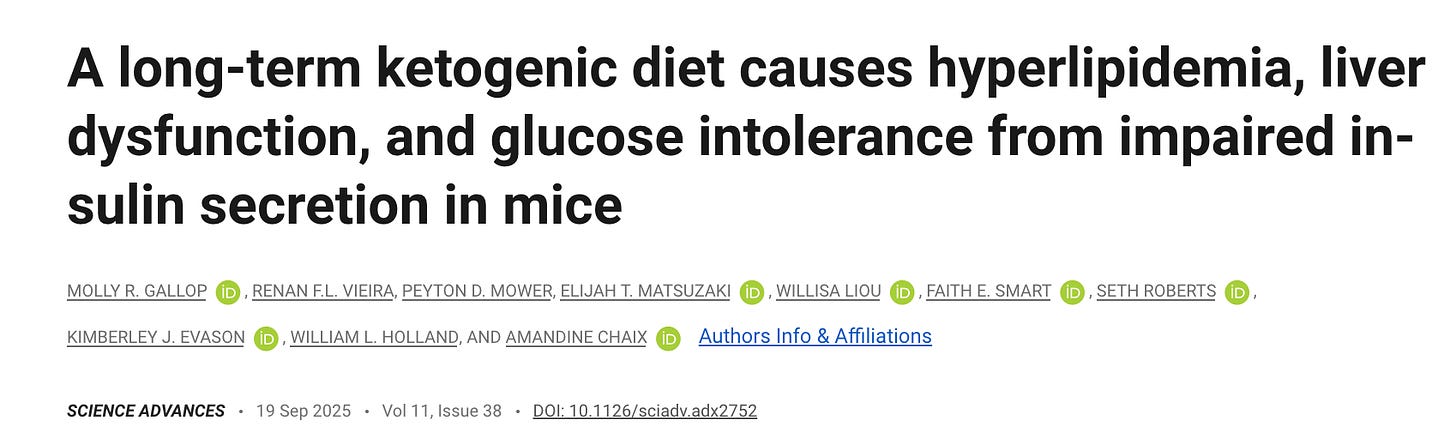
Evidence: Many low-carb / ketogenic diet studies show short-term weight losses but sometimes longer-term metabolic drag, reduced thyroid hormones (especially in lean or already-dieted individuals), elevated cortisol, and loss of energy in hard training phases.
Caveat: Keto does have utility in specific therapeutic contexts (epilepsy), but not as a universal metabolic accelerator.
My experience: When I was on keto, my energy tanked. I was cold all the time, my mood crashed, sleep fell apart, and anxiety spiked. Everything changed when I brought carbs back.
Detox Teas / “Slimming” Herbal Cleanses
Myth: They boost metabolism or purge toxins.
Reality: Most of the effect is laxative/electrolyte loss or placebo; no reliable evidence for metabolic acceleration. Some may even cause malabsorption or stress.
My stance: Use with caution; I prefer whole-food, supportive phytonutrients, not magical teas.
L-Carnitine, CLA, “Fat Burner” Supplements (Generally)
Myth: These are metabolic boosters.
Reality: For healthy individuals, many of these show negligible or mixed effects. Some may help under deficiency or in clinical populations, but they are not “magic bullets.”
Evidence: Meta-analyses on L-carnitine, CLA, and many “thermogenic blends” often show small effects or risk of side effects.
My use: I reserve targeted use (e.g. carnitine if I suspect a marginal deficiency), not as a baseline.
Fasting / Prolonged Caloric Restriction (in Metabolic Optimization Contexts)
Observation: While fasting or caloric restriction can induce fat loss, prolonged or repeated fasting often triggers metabolic downregulation (adaptive thermogenesis), increased stress hormones, thyroid suppression, and rebound overeating.
Evidence: Many studies show that metabolic rate declines more than what “loss of mass” alone would predict (i.e. metabolic adaptation).
Conclusion: Metabolism Is Not a Hack — It’s a System
After years of watching what actually moves the dial - in myself, in my athletes, and in the research - the pattern is obvious: metabolism doesn’t rise from hacks. It rises from restoring biological coherence.
Building muscle, eating real food, supporting thyroid function, moving daily, aligning meals with light - these are not tricks. They’re the original conditions of being human. Every so-called “metabolic booster” that works does so because it brings you closer to those conditions. Everything that fails or harms - fasting, stimulants, extreme restriction - disconnects you from them.
The truth is, your metabolism isn’t broken because you lack willpower. It’s suppressed because modern life trains your biology into defense. Rebuilding it means re-establishing trust - between your cells, your hormones, and your environment.
The goal isn’t to burn more calories. The goal is to reignite energy flow: warmth, appetite, libido, mood, creative drive. Those are the real signs of a restored metabolism and the foundation of every other form of vitality.
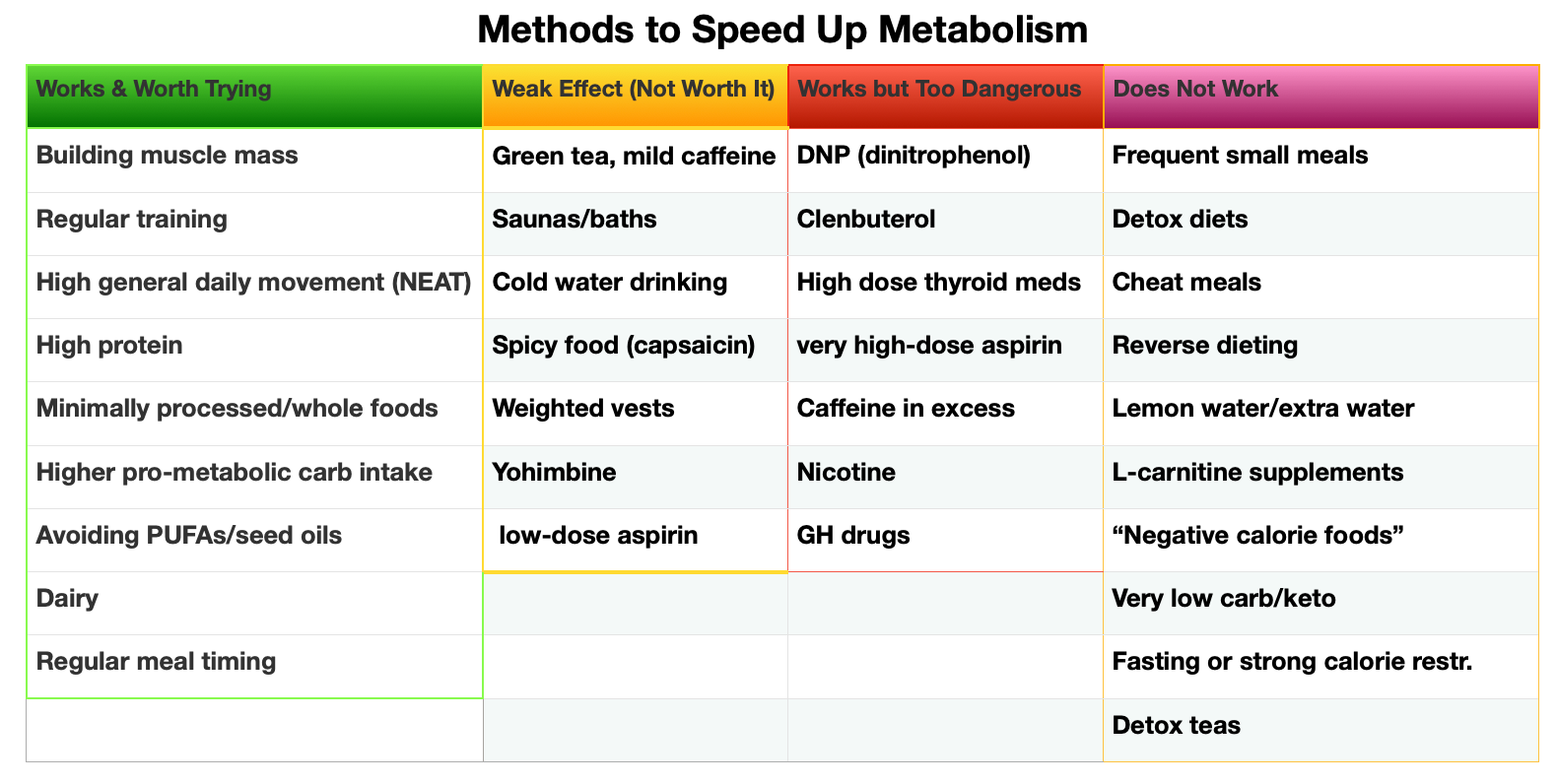
So when you look at the table (below) - what works, what’s weak, what’s dangerous - it all reduces to one question:
Does it make the body feel safe enough to burn again?
If the answer is yes, metabolism follows.