

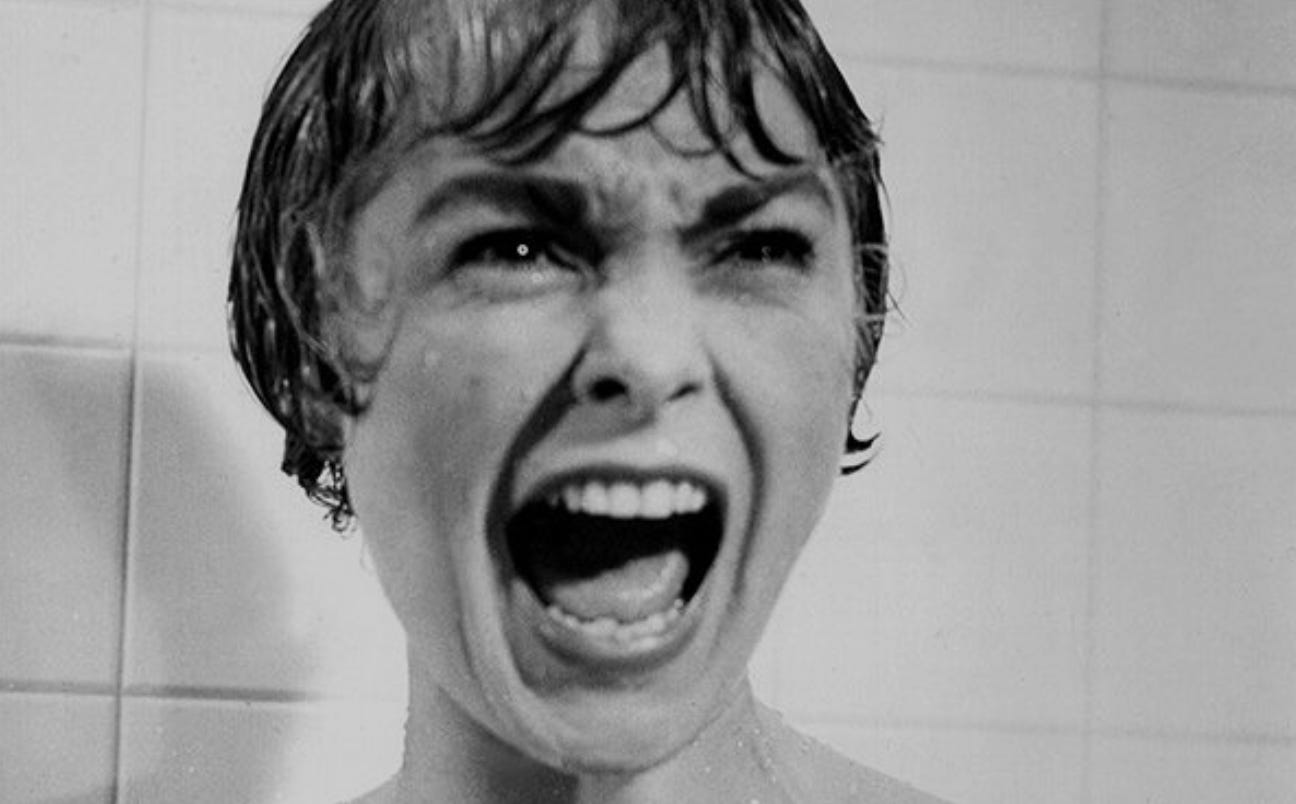
I used to be a horror addict.
Blood, suspense, dread - the darker the better. The rush was addictive. I was even disappointed on weekends when nothing new was out to watch.
But when I switched my diet to a pro-metabolic model, something strange happened: horror movies stopped moving me. They felt flat, lifeless, even boring. The thrill was gone.
Shift in the Nervous System
Chronic interest in horror is often linked to the search for a dose of adrenaline when baseline energy is low. In a metabolically depleted state, the brain hunts for strong irritants just to feel something. But once you eat more digestible sugars, protein, and salt, and stress hormones fall, the nervous system reorganizes. Suddenly, you don’t need to artificially whip yourself into fear to feel alive.
Mechanism in Focus:
Low glycogen → adrenaline surge → “thrill” from fear
Fear scene = temporary high
Aftermath = flat, drained
That is why horror feels addictive when you’re exhausted underneath
“Horror once gave me life. Now my cells give me life.”
Serotonin and Dopamine
In a low-energy state, serotonin is often high and dopamine low - explaining melancholy and the attraction to dark content. With improved metabolism, the balance shifts. Dopamine tone stabilizes, emotions brighten, and dark stimuli stop being rewarding.
Stress Hormones Drop
Horror appeals to a stress response. If your body is soaked in cortisol, a scare feels like familiar excitement. But once cortisol falls, that same stimulus becomes burdensome and meaningless.
This is a natural side effect of improved metabolism and lowered chronic stress. Horror films used to be an emotional crutch. Now biology doesn’t ask for them. That’s not coincidence - it’s an indicator the nervous system has switched fuels.
I can still enjoy a good, high-quality, artful horror film. Craft, atmosphere, storytelling - I can appreciate it. But the compulsion is gone. I don’t crave horror anymore. It no longer excites me; it simply reads as art. That difference matters.
Mechanisms Behind the Shift
Glycogen Sufficiency
Fruit and juice keep the liver stocked. No more adrenaline spikes to raise blood sugar. The brain stops seeking horror-like shocks for stimulation.
Thyroid Support
Carbs + protein + micronutrients keep the metabolic furnace lit. Warmth replaces cold emptiness that once craved adrenaline.
Stress Hormones Down
Lower cortisol and adrenaline mean the sympathetic system no longer needs external jolts. Fear feels aversive, not rewarding.
Serotonin and Endotoxin Reduced
Better digestion and bile flow, less irritating starch, and fewer PUFA lower serotonin load. Emotions even out; no artificial contrasts needed.
Neurosteroids Restored
Progesterone and pregnenolone metabolites stabilize GABA. Nervous system feels safe - no longer desperate for numbing agents or fake stress highs.
PUFA Lowered
With less oxidative stress, neurons stop over-reacting to tension.
CO₂ Elevated
Improved oxidative metabolism raises CO₂, stabilizing nerves and circulation.
Suddenly, fear isn’t entertainment. It’s noise.
Behavioral Shifts You Don’t Expect When Your Biology Changes
Food
Cakes and candy stop being compulsive. Fruit, honey, milk become satisfying.
Bitter black coffee, raw kale, 90% dark chocolate start tasting like punishment.
Alcohol cravings shrink because the body no longer seeks chemical calm.
Improving metabolism reshapes preferences far beyond food.
Emotions
Horror, grim thrillers, depressive music lose their magnetism.
Brightness, comedy, and warmth feel magnetic.
Joy becomes steady, not dependent on artificial highs and lows.
Social
Irritability fades. Petty fights feel irrelevant.
Warmth and closeness feel essential, not draining.
Isolation stops being a necessity for “recovery.”
Body
Hands and feet stay warm.
Sleep deepens, dreams become vivid.
Drive for extremes—brutal workouts, over-stimulation—diminishes.
Cognition
Sarcasm and dark humor lose edge.
Curiosity returns. Learning sticks.
Attention shifts from survival to CREATION.
Survival Mode vs Development Mode
That’s the real divide.
Horror belongs to a survival brain - running on cortisol, low glucose, cold hands, shallow sleep, irritability. Fear feels like fuel in that state.
But once metabolism is restored, the nervous system flips into development mode. Curiosity replaces dread. Creativity replaces craving. Connection replaces isolation.
The Takeaway
Fixing metabolism doesn’t just shift labs - it rewires taste, emotion, even culture.
Horror loses its grip not because you “got older” or “grew out of it,” but because your brain stopped begging for stress hormones.
Warmth, curiosity, and creativity fill the space where fear used to live.
If you want to learn how to fix your metabolism with pleasure and joy, read this:
We Begin With Bile: The Forgotten Fluid That Runs Your Biology - for digestion and detox
Nutritional Repletion: How to Rebuild Your Biology After Depletion - for the strategy of restoration.
The Inner Fire: Thyroid Repletion and the Secret to Vitality (Complete Guide) -practical steps to bring back metabolic fire.
‘Normal Range’ Is a Joke – Let’s Talk Optimal Labs - The Truth About Optimal Labs
Coming next week: my deep-dive on steroidogenesis — how your body forges energy and hormones from the ground up, and how to repair it when the system breaks.
Stay tuned.
ha, that is a very intriguing thought. I recently thought about how my mood changes depending on what I eat