

For educational purposes only. Not a medical advice.
Recently I visited friends in Los Angeles and stumbled into a world that most of the mainstream medical establishment still doesn’t talk about openly: peptides. For this group, peptides aren’t fringe biohacking toys - they’re part of a lifestyle, as normal as brushing teeth. Alongside high-protein diets, fruit-heavy meals, and balanced carb intake, many of them rotate year-round peptide courses and (in some cases) microdose Ozempic for appetite control. Add in regular resistance training and Pilates, and you’ve got a blueprint for body recomposition, sharper energy, and slower aging that’s still flying under the radar.
But before copying their protocols, it’s worth understanding what peptides are, what the research shows, and where the risks live.
What Are Peptides?
Peptides are short chains of amino acids - basically tiny proteins - that act as signaling molecules in the body. Some regulate growth hormone, others repair tissue, some modulate metabolism, others affect brain and skin health. Unlike taking generic supplements, peptides often act in targeted, hormone-like ways. They mimic natural signals, and therefore they can be more precise than broad drugs.
Mitochondrial peptides / coenzymes like MOTS-c, NAD⁺ are especially interesting, because mitochondria are intimately tied to aging, energy, and metabolic health.
What’s “special” about these molecules is that they can target aging pathways directly: mitochondrial stress, DNA repair, oxidative stress, metabolic signaling, tissue repair. In effect, they try to “lean in” to the body’s intrinsic repair systems.
Why people love them:
They work fast.
They can be tailored to specific goals: fat loss, muscle gain, recovery, cognitive support.
They mimic natural processes instead of brute-forcing the system.
The catch: many are still in the research/“gray” category, meaning not FDA-approved for anti-aging, often made by compounding pharmacies. Purity and sourcing are critical.
Hundreds of peptides exist in the clinical and research world today but only a handful stand out as truly game-changing. Let’s break down some of the most exciting ones shaping the future of regenerative medicine:
MOTS-c
Mechanism & physiology
MOTS-c is a 16–amino acid peptide encoded by the mitochondrial 12S rRNA gene. It’s released under metabolic stress or exercise and can translocate to the nucleus, influencing nuclear gene expression. https://translational-medicine.biomedcentral.com/articles/10.1186/s12967-023-03885-2
It interacts with metabolic pathways like AMPK (a master energy sensor), the folate cycle, and purine metabolism to regulate energy homeostasis. https://www.sciencedirect.com/science/article/pii/S1550413115000613
With age, levels of MOTS-c decline in circulation, and its mitochondrial signaling may become less responsive. https://www.jci.org/articles/view/158449
Animal / preclinical / early human evidence
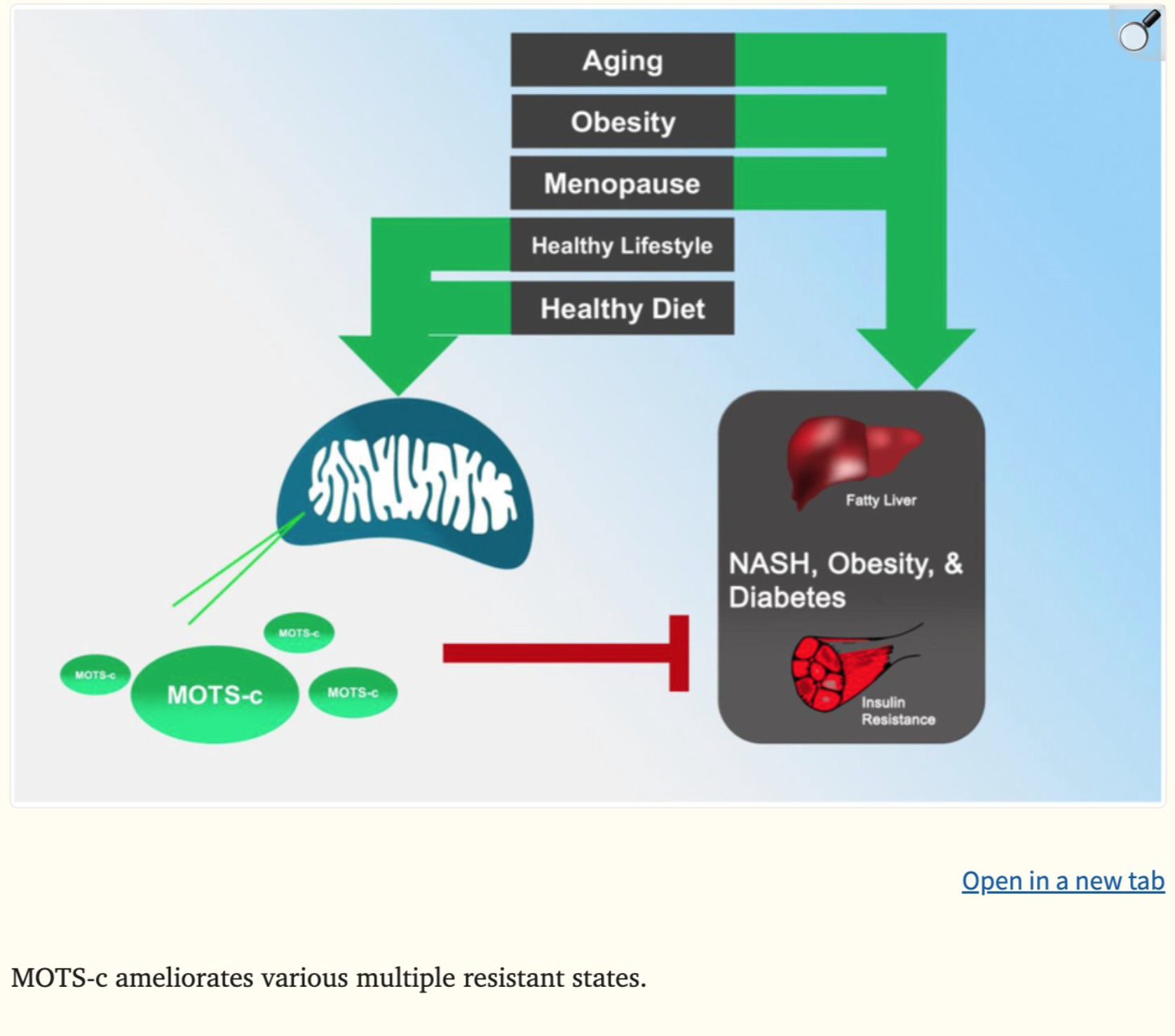
In mice, MOTS-c improves insulin sensitivity, prevents weight gain from high-fat diets, and acts like an “exercise mimetic” by enhancing muscle glucose uptake.
It has shown protective effects in nonalcoholic steatohepatitis (NASH) models reducing inflammation, apoptosis, fibrosis via mitochondrial improvements and stabilizing Bcl-2.
Bone metabolism: recent data suggest MOTS-c may help bone formation and resorption balance, hinting at roles in skeletal health.
Human correlation data: circulating MOTS-c is lower in obesity and type 2 diabetes contexts; exercise increases both muscle and plasma MOTS-c in healthy adults.
Limitations & unknowns
· There is no robust clinical trial evidence yet for MOTS-c in humans as a therapeutic injection. Safety, long-term effects, dose optimization remain unknown.
· Because it’s tightly connected to energy and metabolic signaling, the risk of off-target effects (e.g. interfering with mTOR, unintended cell proliferation) must be considered.
BPC-157
Mechanism & physiology
BPC-157 is derived from gastric juice peptide fragments. It is known to modulate nitric oxide (NO) pathways, angiogenesis, growth factor signaling, collagen matrix remodeling, and inflammatory processes. https://pmc.ncbi.nlm.nih.gov/articles/PMC11426299/
In tendon fibroblasts, BPC-157 upregulates growth hormone receptor (GHR) mRNA and protein, thereby enhancing responsiveness to GH and promoting proliferation. https://pmc.ncbi.nlm.nih.gov/articles/PMC6271067/
Animal / preclinical / limited human evidence
In various animal injury models (tendon, muscle, ligament, GI tract), BPC-157 accelerates repair, improves angiogenesis, and reduces inflammatory damage.
One human case series: 7 out of 12 participants with chronic knee pain reported relief lasting >6 months after a single BPC-157 injection. https://pmc.ncbi.nlm.nih.gov/articles/PMC12313605/
It’s also been shown to boost growth hormone receptors in tendon cells, basically making the tissue more responsive to growth hormone’s repair and growth signals https://pmc.ncbi.nlm.nih.gov/articles/PMC6271067/.
Limitations & unknowns / risks
The safety profile in humans is extremely under-studied. No large, controlled trials exist.
Because it promotes growth, angiogenesis, and repair pathways, there’s a theoretical risk if malignant or dysplastic tissues exist.
Regulatory concerns: BPC-157 is not FDA approved; compounding, purity, and mislabeling are major real-world risks.
TB-500 (Thymosin Beta-4 Fragment)
Mechanism & physiology
TB-500 is a fragment (often synthetic) of Thymosin β4, which is a 43–amino acid peptide involved in tissue repair, cell migration, actin remodeling, and angiogenesis. https://pmc.ncbi.nlm.nih.gov/articles/PMC8228050/
It encourages cell motility, new blood vessel growth, and reorganization of cytoskeleton in healing tissues.
Animal / preclinical / limited human evidence
Numerous animal studies: improved wound healing, faster regeneration of tendons, skin, and muscle tissue.
Human corneal/ocular application of thymosin β4 (native, not TB-500 fragment) has shown accelerated epithelial repair in eye injury settings.
Limitations & unknowns / risks
Very limited human systemic data for TB-500 specifically.
Since it helps grow new blood vessels and makes cells move faster, there’s a theoretical risk it could also feed tumors or worsen diseases where cells already grow too much.
Purity is a frequent complaint; many user reports describe peptides going “sludgy” or poorly manufactured.
NAD⁺ (Cofactor, Not Peptide)
Mechanism & physiology
NAD⁺ (nicotinamide adenine dinucleotide) is central to redox reactions, mitochondrial ATP production, sirtuin activation, PARP-mediated DNA repair, and metabolic signaling.
As organisms age, NAD⁺ levels decline, which leads to mitochondrial dysfunction, DNA damage accumulation, and metabolic decline.
Human / clinical evidence (primarily via precursors NR / NMN)
Supplementing with NR (nicotinamide riboside) or NMN (nicotinamide mononucleotide) consistently raises systemic NAD⁺ levels in humans in trials.
Some trials show following benefits: improvements in arterial stiffness, blood pressure, muscle mitochondrial function, markers of oxidative stress.
There is less data on direct NAD⁺ injections or infusions. Clinics do use IV/IM NAD, but large-scale controlled trials are lacking.
Risks & unknowns
Because it’s a foundational coenzyme, off-target effects might include overactivation of repair systems in unwanted cells (cancer risk is speculative but debated).
Too rapid infusion can cause flushing, nausea, hypotension.
As with peptides, sourcing purity is a concern; intravenous/NAD preparations must be sterile, pure, and handled properly.
Epitalon / Epithalamin
Mechanism & physiology
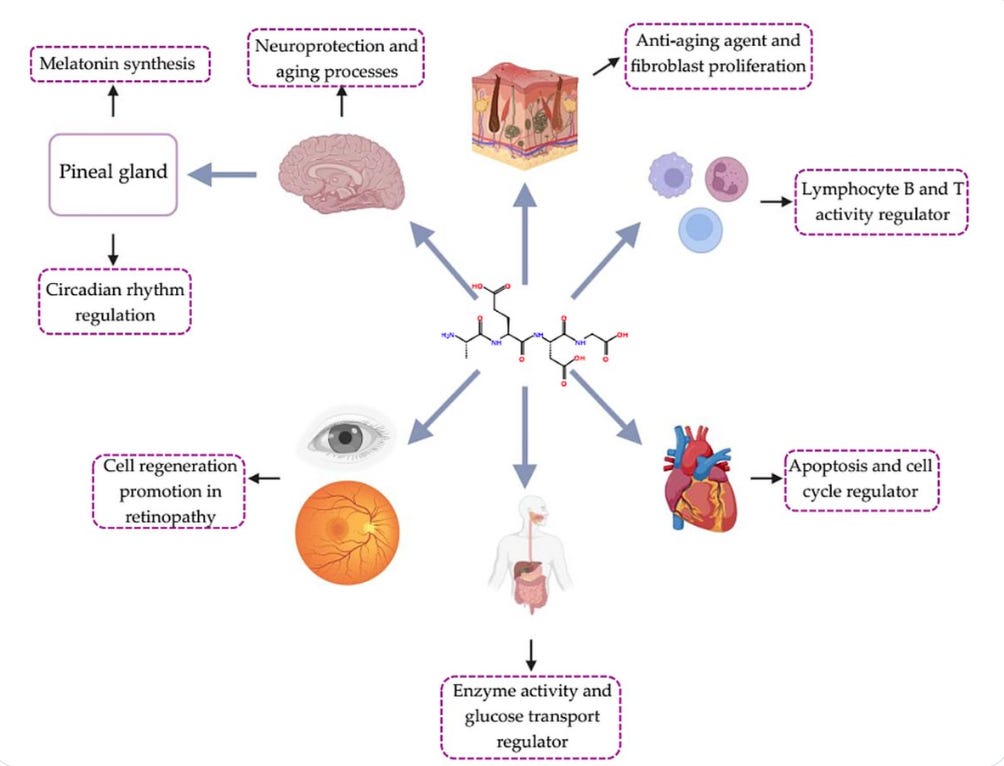
Epitalon (also called Epithalon / Epithalamin) is a tetrapeptide (Ala-Glu-Asp-Gly) derived from pineal gland extracts. It is proposed to:
Upregulate telomerase expression in some cell types
Modulate circadian rhythms (melatonin / cortisol)
Improve antioxidant defenses and reduce DNA damage
Influence gene expression in aging / stress-response pathways
Preclinical & clinical evidence
A review reports that Epitalon increases lifespan in mice and fruit flies, restores melatonin/cortisol circadian rhythms in aged rhesus monkeys, and supports retinal function in animal models. https://pubmed.ncbi.nlm.nih.gov/12374906/
Clinical & cohort data: a classic Russian 6-year trial combining Thymalin + Epithalamin in older adults reported a 4.1-fold lower mortality rate compared to controls. https://pubmed.ncbi.nlm.nih.gov/12577695/
In vitro oocyte aging: Epitalon reduced reactive oxygen species in aging oocytes, improved mitochondrial membrane potential, and reduced apoptosis in cultured oocytes. https://www.aging-us.com/article/204007
Epithalamin has shown a “normalizing effect” on basic human physiological functions in older adults, positioning it as a geroprotective agent. https://pmc.ncbi.nlm.nih.gov/articles/PMC11943447/
Limitations & unknowns / risks
Human data is old, with limited modern, double-blind trials.
Telomerase activation is a double-edged sword: it could, in theory, accelerate growth in mutation-prone cells.
Dose/cycle optimization in diverse populations is unclear.
Purity and sourcing issues are high risk outside GMP settings.
Thymalin
Mechanism & physiology
Thymalin is a peptide derived from thymus gland extracts, believed to modulate T-cell development, immune homeostasis, and cytokine regulation.
Evidence & applications
In patients with acute lung abscesses, Thymalin lowered systemic inflammation, corrected coagulation/fibrinolysis imbalance, and mitigated hypercoagulation. https://pmc.ncbi.nlm.nih.gov/articles/PMC8365293/
In geroprotective settings, Thymalin (alone or with Epithalamin) has been studied in Russia for improving immune function, reducing mortality rates, and supporting aging populations.
Lab studies show that Thymalin and Epitalon can influence how immune cells (the kind that drive inflammation and cell growth) behave https://pmc.ncbi.nlm.nih.gov/articles/PMC8999041/
Limitations & unknowns / risks
Many Thymalin studies come from older Russian literature; replicability by modern standards is sparse.
It is unclear how much effect remains in healthy, younger adults.
The risk of immune overactivation in autoimmune contexts is theoretical.
GHK-Cu
Mechanism & physiology
GHK (glycyl-histidyl-lysine) is a copper-binding peptide found naturally in human tissue. It regulates gene expression, matrix metalloproteinases, protease inhibitors, inflammation, and collagen synthesis.
Evidence & benefits
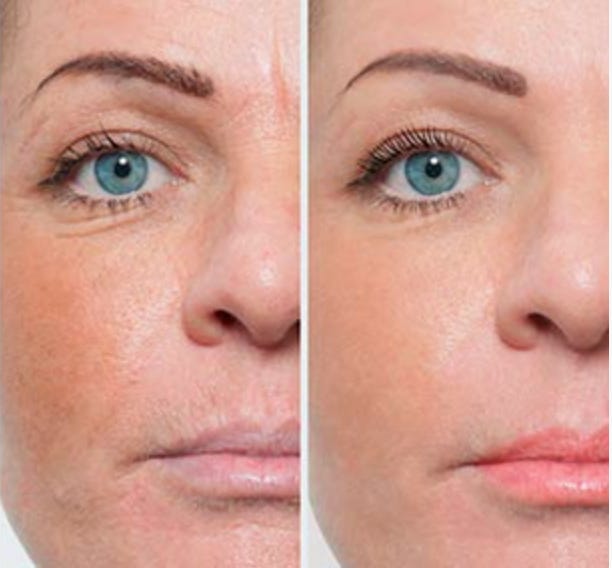
In a clinical cosmetic trial: cream with GHK-Cu applied twice daily for 12 weeks increased skin density, thickness, reduced sagging and wrinkles in 71 women vs control. https://pmc.ncbi.nlm.nih.gov/articles/PMC6073405/
Animal & regenerative research show GHK-Cu supports wound healing, connective tissue repair, anti-inflammatory gene regulation, and stimulates collagen / elastin expression. https://pmc.ncbi.nlm.nih.gov/articles/PMC11426299/
It modulates gene expression broadly - downregulating thousands of genes and upregulating repair pathways.
Limitations & unknowns / risks
Topical / local use has stronger evidence; systemic injectable use is less validated.
Dose, tissue targeting, and systemic safety require more study.
As always: sourcing, purity, sterility are critical.
Example Year-Round Protocol (Educational Only)
If someone wanted to mimic the fancy crowd approach (again: not medical advice, purely descriptive):
• Epitalon (lengthen telomeres and regulate melatonin/circadian rhythm.) → 10 mg daily × 10d (Q1, optional mini Q4).
• Thymalin (lowers inflammation, improves resilience) → 10 mg every other day × 10d (Q1 + Q4).
• Regeneration: BPC-157 (tissue healing, gut lining repair) → 250 mcg daily × 4w (Q2); TB-500 (tissue repair, wound healing, and muscle recovery.) → 2 mg weekly × 4w (Q2).
• Mitochondrial stack: MOTS-c (Enhance metabolism, improve insulin sensitivity)→ 10 mg, 2–3×/week × 3w (Q2).; NAD (maximize mitochondrial energy + DNA repair) 100–200 mg injections 2×/week for 2–3 weeks or longer in blocks of 8–12 weeks.
• GH Secretagogues: CJC-1295 DAC (Stimulates pituitary to produce and release GH, collagen synthesis, tissue repair, metabolism)→ 2 mg weekly × 4w (Q3); Ipamorelin (Increases fat burning) → 200 mcg nightly, 5×/week × 8w (Q3).
• GHK-Cu – stimulates collagen & elastin, restores skin & hair, regulates hundreds of genes tied to aging. SubQ / mesotherapy into skin: 0.5–2 mg in small areas (face, scalp) once or twice weekly.
+ Training: 3x/week resistance + 3x/week Pilates.
+ Diet: protein-rich, fruit-based carbs, balance + flexibility.
They see peptides as maintenance, not as a one-off hack. It’s year-round, just cycled intelligently.
From the group I spoke with, the reported benefits were striking - improved body composition, steadier energy, clearer thinking, visible upgrades in skin tone and texture, faster recovery from workouts and many more. These accounts are anecdotal, yes, but they represent a kind of ‘real-world science’ that’s hard to ignore.
Why Peptides May Never Go Mainstream
One of the most overlooked challenges in peptide therapy isn’t science - it’s economics.
· Patentability is limited.
Many peptides are short amino acid chains that occur naturally in the body. Because they are naturally occurring, they’re often considered “unpatentable” in their original form. A company can only patent a modified version, a delivery system, or a formulation.
· Low profit incentive.
Without the exclusivity of a patent, big pharma has little reason to fund the massive, expensive clinical trials required for FDA approval. That leaves peptides in a strange limbo: promising enough to generate a devoted underground following, but commercially unattractive for billion-dollar trials.
· Risk of disappearing.
Some peptides have decades of Russian or European research behind them (Epitalon, Thymalin), yet because there’s no financial incentive for Western companies, they remain obscure. Worse, regulatory crackdowns could restrict access to compounded or “research use” peptides without providing a pharmaceutical alternative.
· A future of exclusivity.
This creates a two-tiered reality: a small circle of insiders with access to experimental peptides through private clinics and compounding pharmacies, and the general public left without access. Unless laws change around intellectual property or public research funding, peptides may never reach true mainstream adoption despite their potential to transform aging and health.
The Bottom Line
The peptide world is an underground upgrade system - not yet mainstream (there is a chance it never will be), not yet fully proven, but already reshaping how certain groups stay lean, energized, and ageless. It’s experimental, requires caution, but the direction is clear: peptides + NAD⁺ are no longer fringe - they’re the quiet backbone of elite’s anti-aging scene.
If you’re interested in how to naturally improve your health, visit my website for free protocols and resources - and explore my other articles here on Substack.
Hi! What do you mean by Q1, Q2 etc…?
Wow. 🤯