
The Missing Amino Acid Behind Poor Sleep, Rapid Aging, and Emotional Instability
If you pick just one intervention for your health, make it this one.


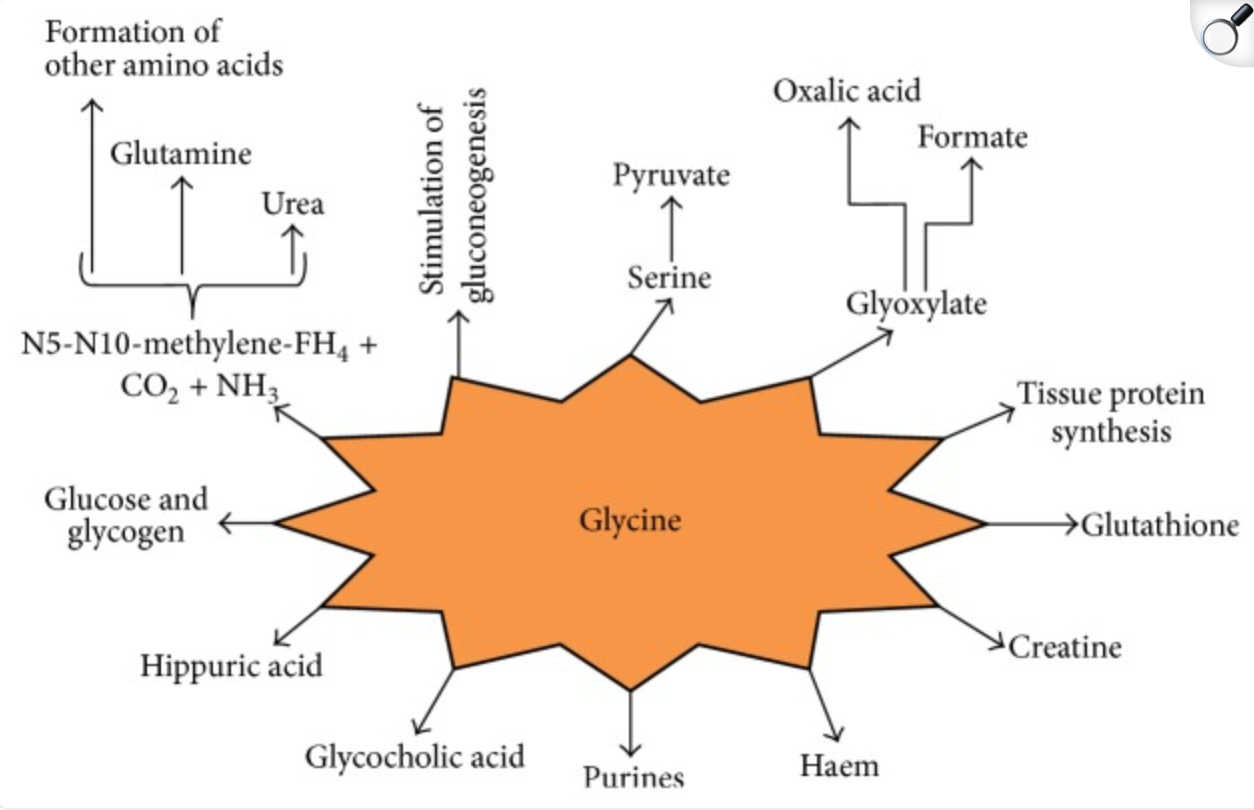
There’s a silent deficiency running through modern physiology, and it has nothing to do with vitamins, carbs, fats, or minerals. The missing piece is an amino acid so fundamental to human repair that your bones, skin, liver, bile, cartilage, sleep patterns, and mood regulation all rely on it.
That amino acid is glycine.
The irony is brutal. Glycine is called “non-essential” because your body can technically make it, yet the people who need it most — the stressed, the inflamed, the hormonally unstable, the sleep-deprived, the chronically overworked — are the exact people who cannot make enough. When the internal supply collapses, your metabolism tries to compensate. It burns through what little glycine is available, reshuffles priorities, slows repair, and leaves key processes half-finished.
What used to be effortless — digestion, sleep, tissue repair, stable mood, clean hormonal rhythm — becomes laborious. People think this is aging, but it’s not aging. It’s glycine debt
And the root of that debt is shockingly mundane:
we stopped eating the part of the animal that contains it.
The Era Before Skinless Chicken Breast
For most of human history, animals weren’t disassembled the way they are today. People ate whole creatures: skin, feet, joints, tendons, cartilage, ribs, shanks, cheeks, tails, and the long-simmered broths extracted from bones. Collagen-rich cuts weren’t special meals. They were survival food — cheap, nourishing, and incredibly dense in glycine.
Today the glycine-dense portion of the animal goes straight into pet food or the trash. What enters the human kitchen is the driest, leanest, most glycine-poor tissue on the entire body: muscle meat.
Great for protein numbers. Terrible for metabolic balance.
Muscle meat is disproportionately high in methionine, an amino acid that increases the body’s need for detoxification and increases the demand for glycine. For thousands of years this wasn’t a problem because glycine came packaged with every animal meal. The meat provided methionine. The skin, bones, joints, and broth provided glycine. The body stayed in equilibrium.
Strip away the collagen and the system tilts. People didn’t notice at first. Then the symptoms began.
The “mystery” bloating after meat. The hormonal swings. The acne. The brittle joints. The restless sleep. The constant sense that digestion is somehow incomplete. The creeping inflammatory drag in the background.
In liver disease, obesity, depression, sleep pathology, and chronic stress, glycine levels aren’t “a bit low.” They’re predictably and systematically depleted.
Why Glycine Matters More Than People Realize
You cannot run a human body on methionine-heavy muscle meat alone. The liver needs glycine to keep bile fluid and non-irritating. Glutathione — your primary internal antioxidant — cannot be made efficiently without glycine. Your connective tissues need glycine to rebuild. Your skin needs it to regenerate. Your brain uses it to balance excitatory signaling. Your sleep architecture depends on glycine’s ability to cool the body and shift you into deep, restorative modes.
Glycine deficiency is hiding behind “PMS,” “IBS,” “adrenal fatigue,” “sluggish liver,” “anxiety,” “aging,” or “slow metabolism.”
LIVER + BILE: WHEN GLYCINE DROPS, METABOLISM SLOWS

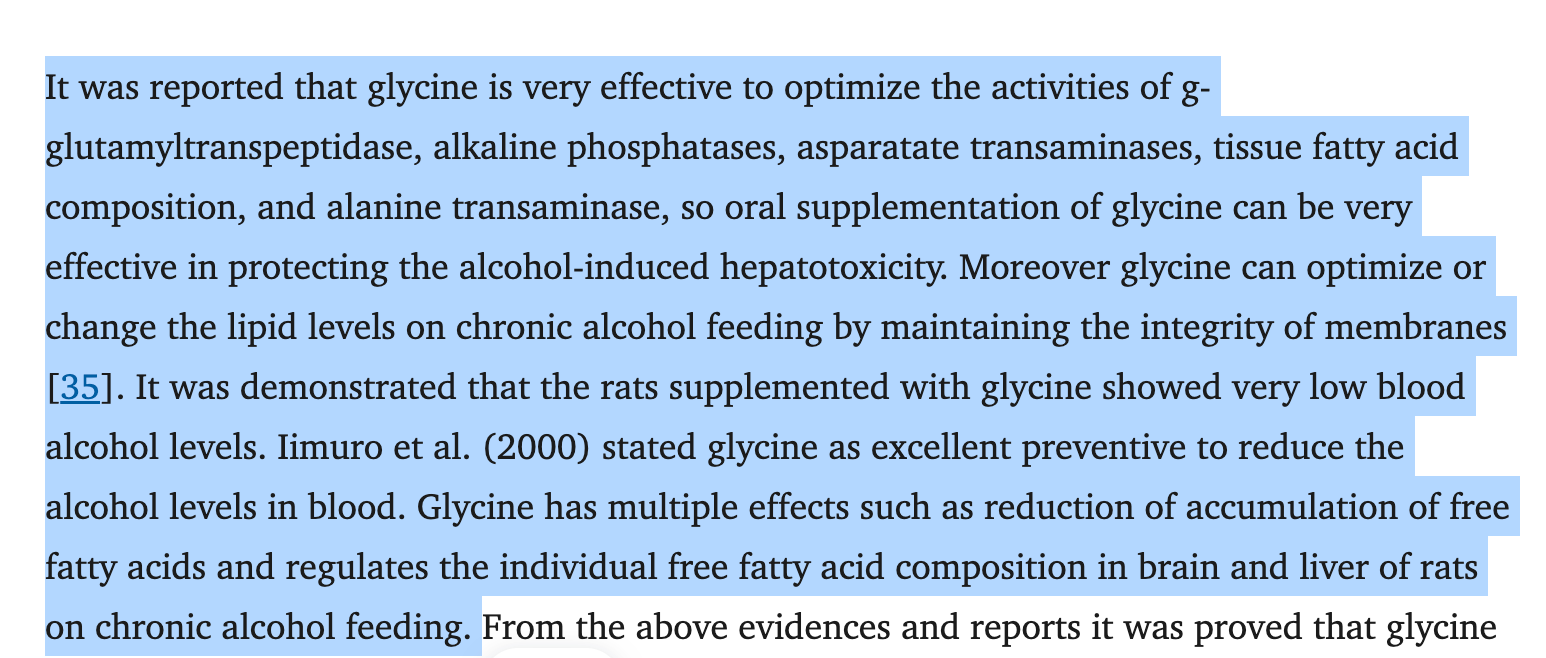
In liver dysfunction, glycine doesn’t just drop — the genes responsible for making it shut down. When glycine falls, the liver becomes inflamed, bile flow slows, fat accumulates, and detoxification pathways weaken. Restore glycine, and these markers reverse. Fat oxidation improved, liver enzymes normalized, glutathione synthesis increased, fibrosis reduced. The liver works again. (Rom et al., Science Translational Medicine, 2020).
GLYCINE AS A CENTRAL NERVOUS SYSTEM BRAKE
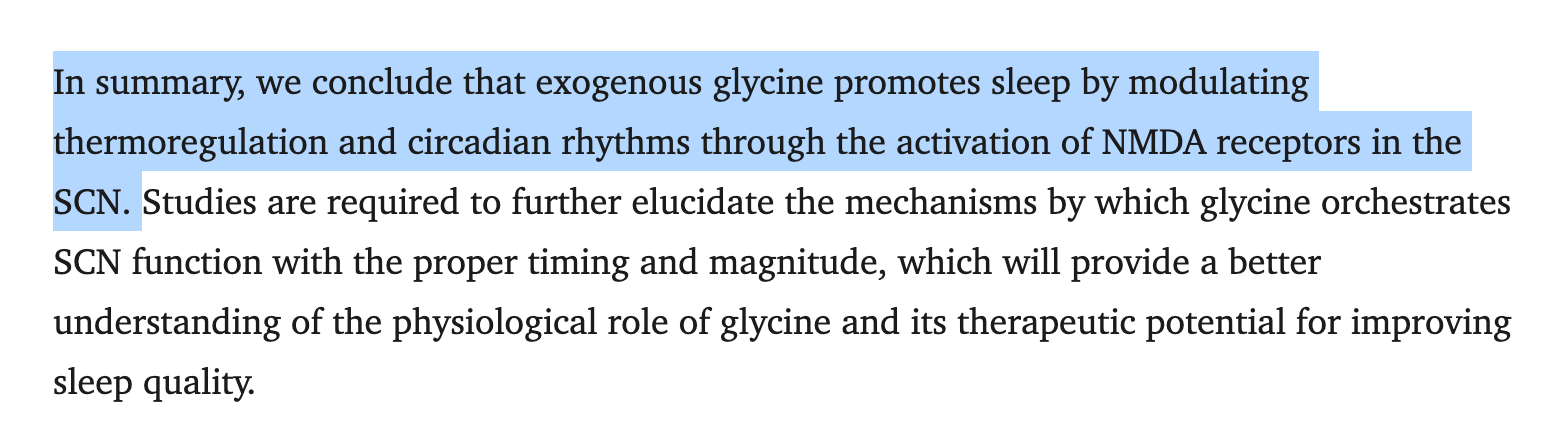
In sleep research, a simple three-gram dose of glycine taken at night helps the brain enter deep sleep faster by lowering core body temperature through the body’s own circadian machinery. People wake up sharper and less fatigued. (Bannai et al., 2012; Kawai et al., 2015).

In mood and stress research, glycine was recently discovered as the key signaling molecule for a brain receptor tied directly to stress resilience and depression. This receptor sat unidentified for years — now we know it responds to glycine. (Martemyanov et al., 2023). This matches older clinical work (Heresco-Levy et al., 1999) where extremely high doses of glycine (60 grams per day) improved negative symptoms in treatment-resistant schizophrenia. Not because glycine is a drug, but because the nervous system is fundamentally dependent on inhibitory stability to offset glutamate-driven excitotoxicity. Glycine supplies the raw biochemical context for that stability.
True depression is rarely a pure “serotonin issue.” It’s metabolic drag, inflammatory load, mitochondrial stress, impaired sleep architecture, hormonal volatility, and a brain caught in an excitatory chokehold. When you restore the inhibitory tone—glycine, glucose, salt, CO₂—people often describe the experience as the disappearance of the internal static that made daily life unbearable.
GLYCINE, COLLAGEN, AND THE LOSS OF STRUCTURAL REPAIR
We already figured out that every structural system in the body relies on glycine:
bone
cartilage
fascia
gut lining
blood vessels
ligaments
skin
tendons
mitochondrial membranes
Collagen turnover depends on glycine availability.
Glutathione synthesis depends on glycine availability.
Bile conjugation depends on glycine availability.
Methylation safety valves depend on glycine availability.
And in broader metabolic research, scientists now acknowledge that so-called “non-essential” amino acids aren’t non-essential at all under real-world conditions of stress, aging, inflammation, and modern diet. Glycine is at the center of that reevaluation. (Kim et al., 2025).
A stressed organism burns glycine faster than it can synthesize it. Gelatin becomes the most direct dietary repair substrate.
So how much glycine and gelatin does a person truly need & what’s the best way to take it?
Humans produce ~45 g/day of glycine internally, but the demand is closer to 60 g/day under normal conditions.
Most modern diets supply only 3–4 g/day. The gap creates chronic stress chemistry.
Daily total glycine (from gelatin + powder combined):
8–12 g/day is the sweet spot for metabolic, liver, bile, sleep, and mood effects.
Gelatin is the daily backbone!:
10–20 g/day delivers 3–7 g glycine organically. Split however you like—desserts, broths, drinks—is enough to reintroduce the collagen amino acids your metabolism expects.

Glycine powder:
3 g before bed + 1–3 g with a heavy meal= ideal metabolic support.
In severe cases (fatty liver, insomnia, high stress load), you can lean toward 15–20 g/day total.
You can take glycine powder by itself, and it works. But gelatin fills the structural gap created by modern eating patterns.
Gelatin delivers glycine along with proline and hydroxyproline—the ingredients for collagen turnover in bone, joints, ligaments, gut lining, blood vessels, and skin. It also dilutes the excessive methionine load of muscle meats, lowering the inflammatory burden on the liver. This is why gelatin desserts calm digestion after steak, why broth stabilizes blood sugar, and why combining sugar, gelatin, and salt creates an unexpectedly soothing metabolic effect.
Megadose psychiatric range: 40–60 g/day (not needed for metabolic goals).
Why Broth Matters (my favorite source of glycine!)
A properly made broth is the most ancestral glycine delivery system ever invented — the original nutritional technology.

When you simmer bones, joints, and collagen-rich tissues for hours, you extract the glycine the body expects. Use things like oxtail, chicken feet (!), knuckle bones, beef shank, neck bones, or anything with joints really. Add water, a splash of vinegar, and simmer gently — not boil — for several hours (I usually keep mine going for about 7–8 hours). Chill. It should solidify into a soft block. If the broth gels when cold, you did it right! That’s collagen. That’s glycine. That’s the thing your metabolism has been trying to get back for years.
Drink one to three cups a day. If you’re dealing with chronic stress, skin issues, weak digestion, or hormonal instability, go toward the higher end.
What Happens When You Restore the Balance
People notice it in strange ways. Their face looks calmer. Food sits better. Skin becomes thicker and more hydrated. They sleep deeper. They digest meat without heaviness. Their heartbeat at night calms down. They feel less “wired” and more stable. Temperature and metabolism rises. Their mood lifts. They recover faster from training. Cycle becomes less chaotic. Their acne softens. Their body stops sending inflammatory flares after every meal. It’s what happens when you stop feeding the body only half of the animal.
***********************************************************************
Most people are walking around glycine-deficient without any clue what that implies. They age faster, recover slower, sleep worse, digest poorly, and live inside a constant sympathetic buzz. They think it’s personality or mental health or “just life.” It’s not. It’s a system permanently operating without the amino acid backbone it was designed to rely on.
Glycine was never optional!
We simply forgot how much we relied on it.
REFERENCES
Bannai M., Kawai N., et al. Front Neurol, 2012.
Kawai N., Bannai M., et al. Front Neurol, 2015.
Rom O., Liu Y., et al. Sci Transl Med, 2020.
Tan H.C., et al. Sci Rep, 2025.
Heresco-Levy U., Javitt D.C., et al. Arch Gen Psychiatry, 1999.
Martemyanov K., et al. Science, 2023
Liu M., et al. Front Psychiatry, 2025.
Kim S.G., et al. Clin Nutr, 2025.
Peat R. “Gelatin, Stress, and Longevity.”
I’ve been taking 3 g of glycine before bed for about a month. I have struggled with poor sleep for years. I am amazed at the immediate improvement in my sleep quality and the ability to fall back to sleep after awakening during the night and no hangover in the morning! I have finally found my solution and highly recommend anyone try it that struggles with poor quality or quantity.
I take one big spoonful collagen peptides with OJ every morning - but I still struggle with having deep sleep (thyroid issues too). The slightest noise caused by neighbours at 3AM wakes me up. I think it can be due to my age too- but I can't seem to get any deep sleep anymore. I take 180 mg of magnesium bisglycinate before bed.