
The Sonic Body: How Sound Shapes Metabolism, Hormones, and Human Coherence
How to Heal with Music

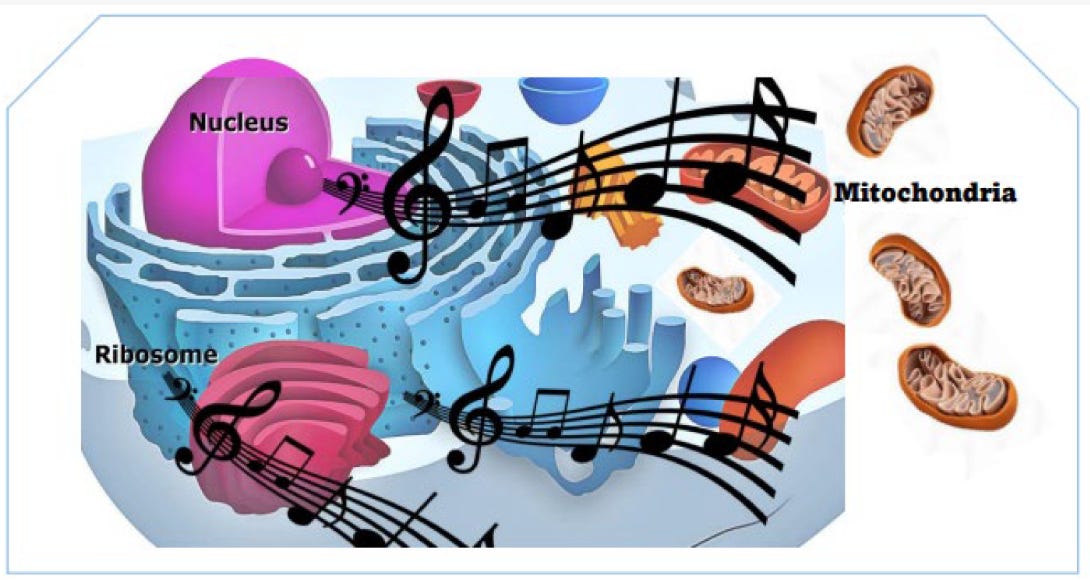
A piece of music doesn’t just move you — it changes your body. A chord progression that sends warmth through your chest, a rhythm that makes you breathe deeper, a melody that somehow clears your vision and makes you feel newly alive. That sensation isn’t psychological decoration; it’s the signature of energy reorganizing inside your cells. Every sound we hear has metabolic consequences. The body doesn’t merely perceive sound; it metabolizes it. The difference between noise and music is the difference between chaos and coherence, and coherence is what sustains life.
The Body as a Resonant Instrument
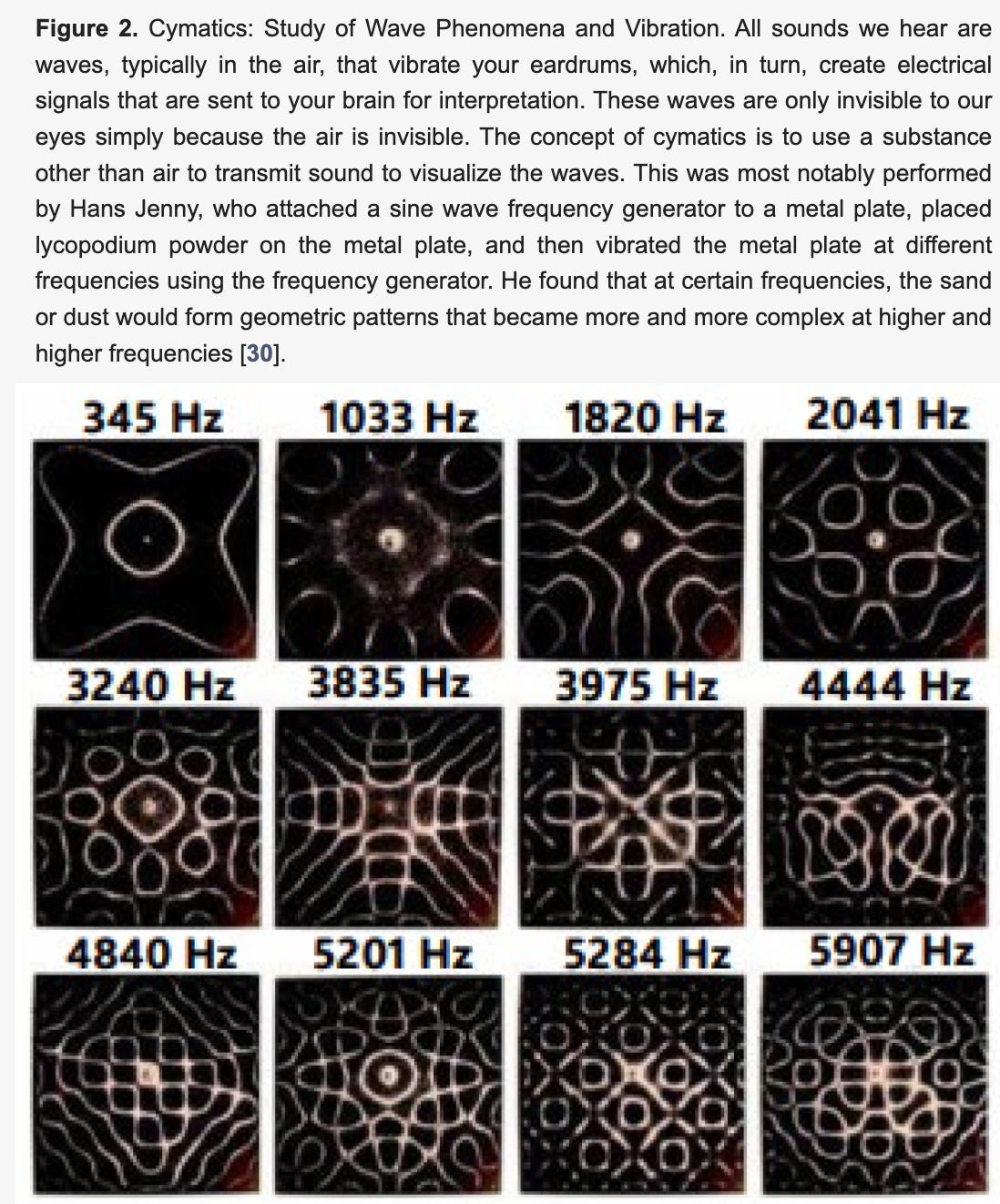
The human organism is not a passive receiver. It is a resonant instrument, tuned by nature to vibrate in ordered rhythms. Mitochondria — those microscopic turbines — spin at nearly nine thousand revolutions per minute, each rotation generating subtle mechanical waves in the surrounding structured water. Cell membranes pulse with electrical oscillations in the kilohertz range. Even the heart and lungs operate as nested oscillators, beating and breathing in mathematical ratios. Our tissues form a living orchestra where every molecule moves in rhythm with every other. Sound waves entering the body are not confined to the ears; they travel through bone, fluid, fascia, and intracellular water. Whether a sound strengthens or disturbs us depends on whether it synchronizes with these internal rhythms or scrambles them. Coherent vibration feeds order; discordant vibration dissolves it. Biology, at its core, is rhythm organized into form.
The Forgotten Research: Soviet Biophysics and Ray Peat
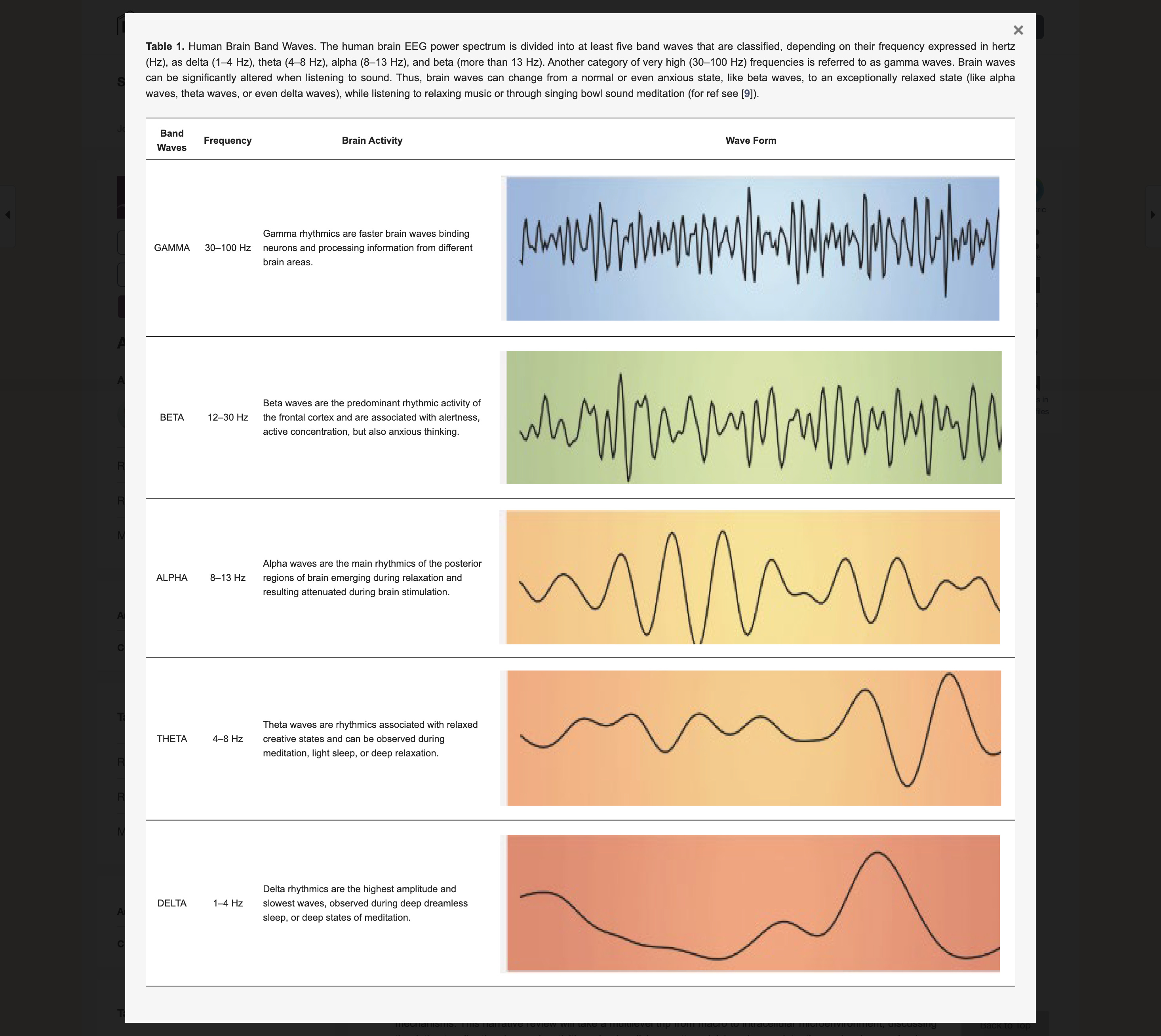
This understanding is not new — it was simply forgotten. In the 1970s, Soviet biophysicists studying muscle metabolism found that specific musical tones increased ATP production in isolated muscle fibers. Western researchers dismissed the finding, arguing that acoustic energy was too weak to influence chemistry. But muscle is not a bag of liquid molecules; it’s a structured water–collagen matrix capable of amplifying subtle resonance. Sound doesn’t have to push molecules mechanically; it can phase-lock with existing oscillations and amplify them through resonance. Ray Peat later referenced these early discoveries, pointing out that certain frequencies, such as 528 Hz, appeared to raise ATP in muscle while chaotic, harsh sound — he once joked about bagpipe dissonance — seemed to break it down. Peat’s observation hinted at something deeper: the possibility that mitochondria themselves are acoustically active, that energy and vibration are inseparable.
Modern biophysics is catching up to that idea. Studies in acoustic biology now describe mitochondria as vibration-sensitive energy portals — micro-engines that can be modulated by sound waves. Structured water surrounding mitochondrial membranes acts like a resonant medium, capable of storing and transmitting mechanical information. When exposed to harmonic frequencies, these water layers stabilize, proton flow improves, and the efficiency of the ATP synthase rotor increases. The result is tangible: higher energy output, warmer tissues, calmer nerves. The notion that music can alter metabolism no longer belongs to mysticism; it belongs to biophysics.
Sound, in this view, is not entertainment. It is a nutritional force. Just as light shapes circadian rhythms and food shapes hormonal balance, vibration shapes cellular coherence. To listen is to engage in a metabolic act. The next sections will show how this act can change hormones, restore order, and explain why one particular tone — 528 Hz — keeps reappearing wherever life becomes more alive.
528 Hz — The Frequency of Order
The frequency that keeps surfacing in these discussions is 528 hertz — sometimes called the “frequency of love,” but far more accurately, the frequency of biological order. It’s the pitch where physics and physiology begin to overlap. In controlled animal experiments, rats exposed to a 528 Hz tone at roughly one hundred decibels showed a clear endocrine and oxidative shift. Testosterone concentrations in brain tissue rose measurably, while the enzymes that regulate steroid hormone synthesis — StAR and SF-1 — were up-regulated. Aromatase, the enzyme that converts testosterone into estrogen, was suppressed. The same exposure also reduced reactive oxygen species, suggesting an overall increase in oxidative efficiency and redox balance. These are not vague mood effects; they’re direct biochemical outcomes linked to the machinery of metabolism.
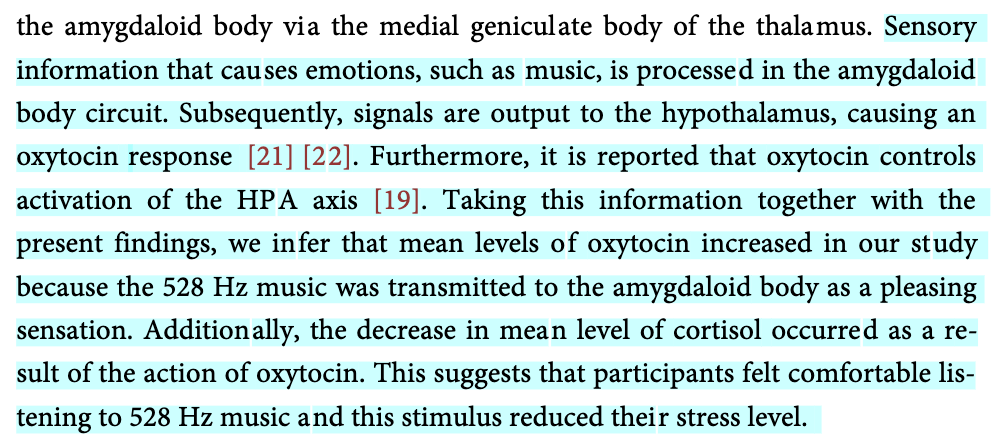
Human trials have produced equally interesting results, though the focus has been on stress chemistry rather than sex hormones. In studies comparing standard 440 Hz tuning to 528 Hz-tuned music, participants listening to 528 Hz experienced lower salivary cortisol, higher oxytocin, improved heart-rate variability, and an immediate shift toward parasympathetic dominance. Five minutes of listening were enough to lower the measurable tension of the autonomic nervous system. The body interpreted that sound as safety, and safety is the metabolic prerequisite for repair, fertility, and clear thought.
Coherence vs. Chaos: Sound as Metabolic Nutrition
What might make this single frequency so potent? Structured-water geometry provides the most coherent explanation. The water inside and around cells isn’t random liquid; it’s a semi-crystalline lattice responsive to electromagnetic and acoustic resonance. At certain frequencies, its molecules arrange into more stable, energy-dense patterns. 528 Hz appears to stabilize the charge-separation layers that power proton flow through the mitochondrial membrane. In practical terms, it makes the energy system breathe more smoothly. It’s not mystical, just physics finding the right rhythm.
If 528 Hz embodies coherence, then chaotic sound represents the opposite — biological noise. Coherent sound carries clear harmonic relationships: intervals like 2:1, 3:2, or 5:4 that mirror the proportional mathematics of the body itself. Such relationships promote synchronization across scales — heartbeat, breath, and neural oscillation fall into step. Chaotic sound, by contrast, contains jagged frequencies, excessive compression, or distorted bass that constantly trigger micro-stress responses. The nervous system treats it like danger. Blood vessels tighten, breathing becomes shallow, and cells revert to a defensive, glycolytic mode that burns sugar but fails to oxidize it fully. It feels exciting in the short term but draining in the long run — the auditory equivalent of cortisol.
Music can therefore act as metabolic nutrition. Harmonic order and rhythmic steadiness supply oxygen to the system the way balanced glucose does to a cell: clean, slow, sustaining. Distortion and hyper-compression behave like processed stimulants — brief spikes followed by depletion. Warm analog timbres, human voice, strings, and acoustic resonance align with the parasympathetic state. Harsh synthetic treble and pounding sub-bass mimic sympathetic drive. The rule is simple: if your body softens and breathes with the sound, it’s feeding your mitochondria; if it tenses, it’s feeding your stress chemistry.
The Wave of Bliss — What You Feel Is ATP
The physiological evidence for this appears every time a song gives you chills or that unmistakable surge of heat through your core. That wave of bliss is not imaginary; it’s nitric oxide dilating blood vessels, oxytocin rising, and mitochondria synchronizing across tissues. Infrared thermography has captured subtle temperature increases during these “aesthetic chills.” The feeling of unity, awe, or sudden calm is an energetic event — the moment when billions of microscopic oscillators lock phase and produce coherence. Emotion, in this context, is simply the subjective signature of metabolic order returning. When music brings you to tears or to a sudden sense of awe, what you’re sensing is your own energy system coming back online.
Coherence is warmth. Warmth is respiration. Respiration is life. When a sound restores that chain, the entire organism remembers what it was designed to do: transform vibration into vitality.
Building a Pro-Metabolic Sound Diet
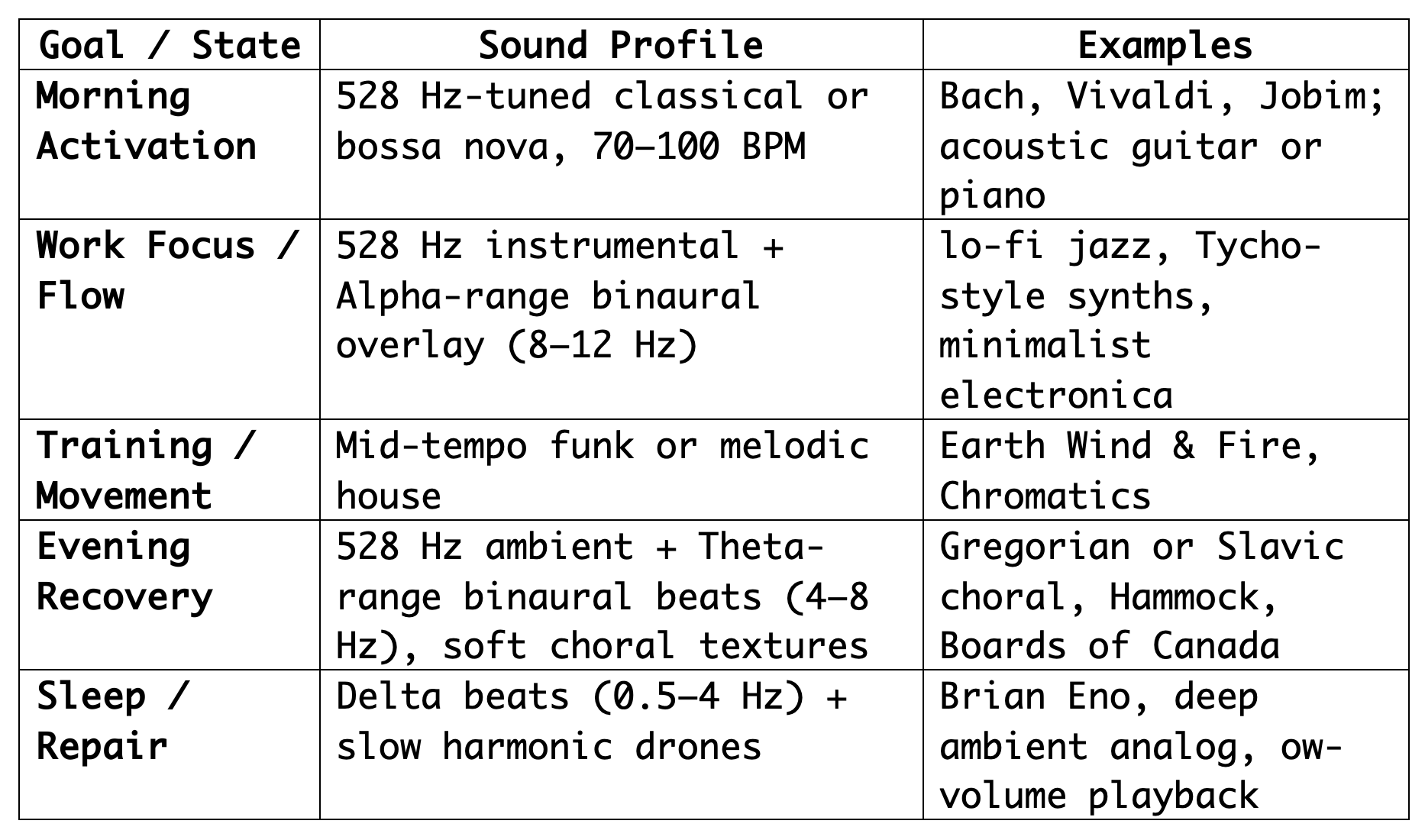
If sound can disturb or restore metabolism, then daily listening becomes a metabolic ritual. Just as nutrition follows a circadian pattern, so should vibration. The body wakes through rhythm, stabilizes through pulse, and repairs through tone. Morning, when cortisol peaks and the system seeks alignment, benefits from brightness and gentle momentum. Baroque compositions, bossa nova, or any acoustic music tuned to 528 Hz with a tempo around seventy to one hundred beats per minute tend to open circulation and raise thyroid tone. Their mathematical balance resembles a sunrise for the nervous system. The aim is not stimulation but synchronization—bringing breath, heartbeat, and consciousness into the same grid.
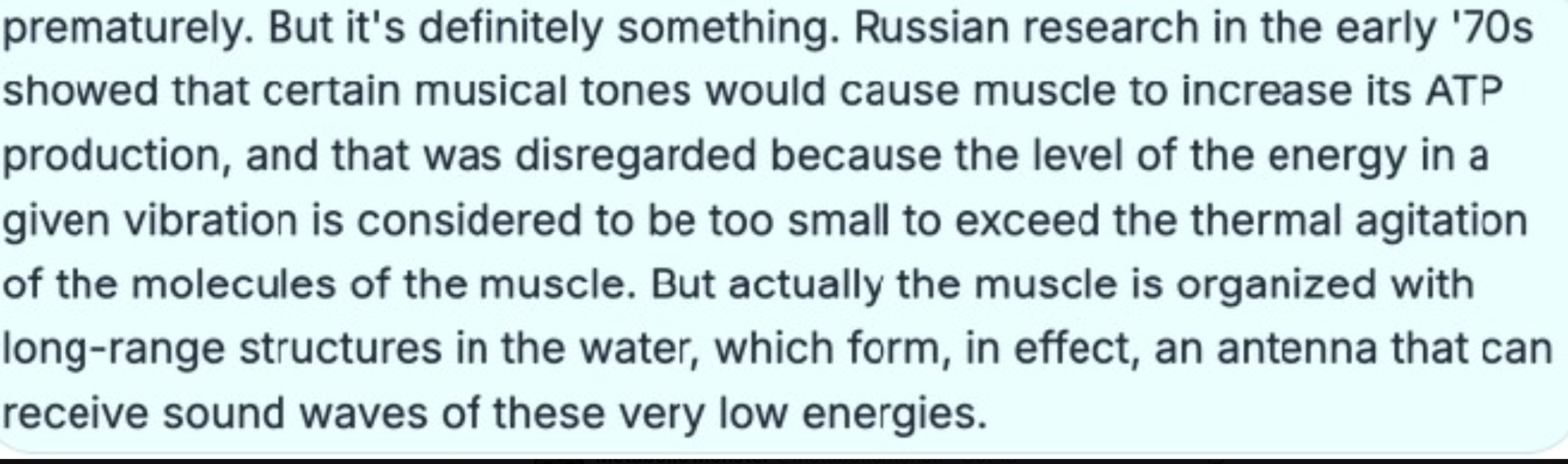
As the day moves toward focus and output, music can reinforce sustained oxidation. Midday listening works best with steady rhythmic patterns—funk, jazz, or analog electronica built on coherent bass lines and harmonic warmth. 528 Hz instrumentals layered with subtle alpha-range binaural beats (around eight to twelve hertz) promote calm alertness, ideal for writing, studying, or training. These sounds keep CO₂ retention steady and blood oxygen high, maintaining the oxidative metabolism that underlies endurance and clarity.
Evening demands the opposite. As light fades and melatonin rises, the system must transition from oxidation to restoration. This is the time for resonance, not rhythm—slow polyphony, ambient analog textures, Gregorian or Slavic choral harmonies, any music that breathes instead of drives. The goal is to expand exhalation and let the vagus nerve take control. When music feels like it’s exhaling through you, metabolism slides naturally toward repair.
The final phase, night, belongs to true silence or to low-frequency coherence. Delta-range binaural beats (between half and four hertz) layered beneath warm harmonic drones encourage deep parasympathetic recovery. These sounds reinforce the state in which growth hormone peaks, tissue repair accelerates, and memories consolidate. Sleep music should feel less like melody and more like being held inside a slow wave—an auditory blanket that extends the body’s own thermal field.
Binaural Beats — Tuning the Conductor
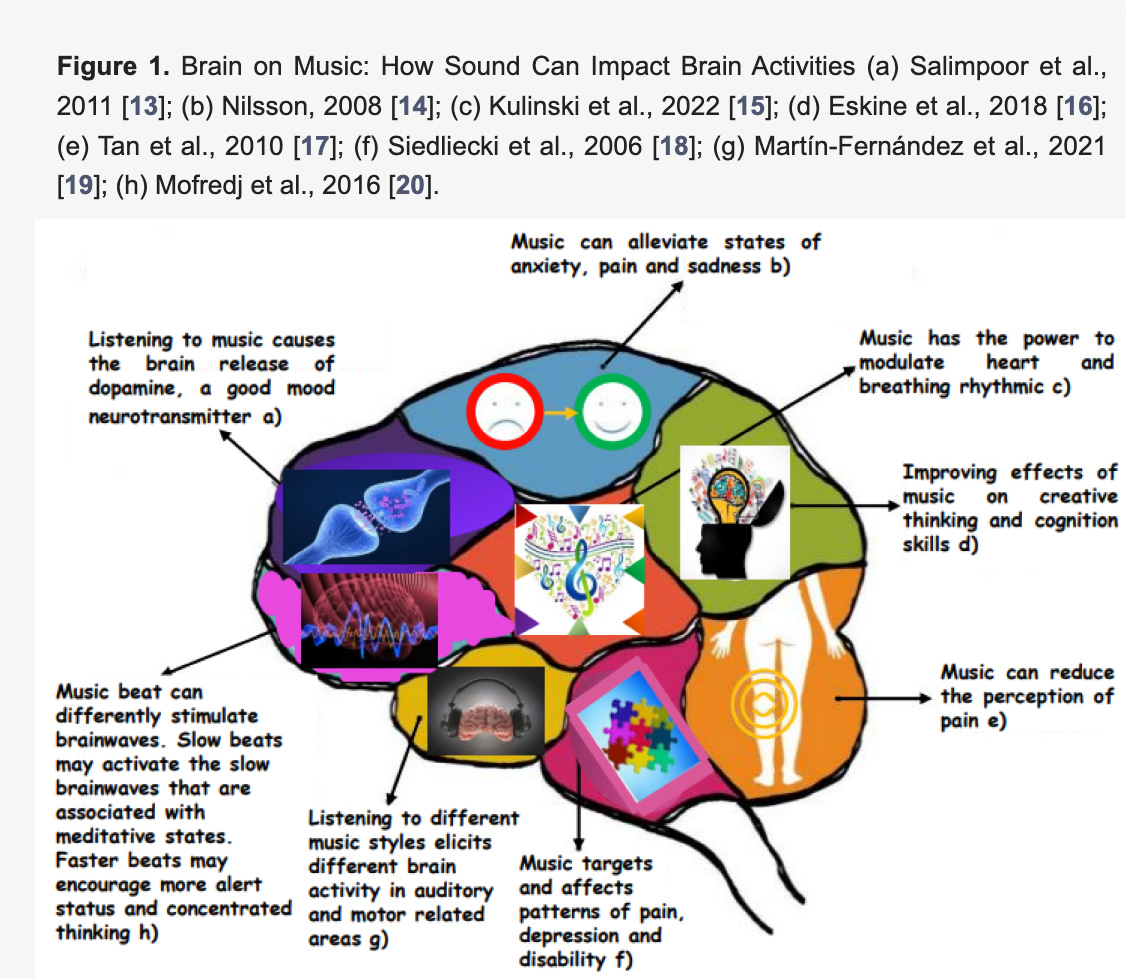
Binaural beats themselves are a remarkable form of internal entrainment. When two slightly different frequencies reach each ear, the brainstem interprets their difference as an internal rhythm. The resulting beat isn’t external—it’s generated inside the nervous system. This internal metronome can guide entire networks of neurons toward particular frequency ranges: delta for deep sleep and anabolic repair, theta for creative calm, alpha for steady focus, beta for active problem-solving. Each range corresponds to a specific metabolic signature. Alpha and low-theta encourage oxygen efficiency and vagal tone, delta enhances anabolic restoration, and beta drives alert energy expenditure. Used intentionally, these beats become like endocrine switches, tuning the nervous system to the phase the body needs.
When paired with 528 Hz—the frequency that stabilizes cellular order—the effect multiplies. One aligns the conductor, the other the orchestra. The nervous system falls into rhythmic harmony with the mitochondrial field. Listeners often describe a sensation of inner warmth followed by stillness, as though breathing and pulse have merged. What’s happening is simple physics: the synchronization of electrical, acoustic, and chemical oscillations into one coherent flow.
From this perspective, music ceases to be entertainment and becomes architecture. You can build a day around sound the way you build a diet around macronutrients. The guidelines are straightforward. Low volume is better than loudness; clarity is better than compression. Choose recordings with dynamic range—moments of silence, space between notes, natural reverb. Favor analog instruments or high-fidelity files over digitally flattened ones. Observe your own feedback: when the body warms, when breath deepens, when the mind quiets. That is the signal of coherence.
If you treat listening as nutrition, the benefits accumulate. Morning brightness activates, midday rhythm sustains, evening resonance repairs. Binaural beats fine-tune the conductor; 528 Hz nourishes the cells. Together they form a sonic metabolism that mirrors the body’s own circadian design.
Ultimately this leads back to an ancient idea: that creation itself began as vibration. “In the beginning was the Word” was not a metaphor for speech; it was a description of how order emerges from frequency. Every atom in the body, every molecule of water, every mitochondrial rotor is a descendant of that first resonance. Sound remains the oldest form of nourishment—older than sunlight, older than food. When you listen consciously, you are rebuilding the symmetry that sustains life.
The next time a melody warms your spine or a tone fills you with inexplicable calm, recognize it for what it is: not mood, not memory, but metabolism coming back into tune. The body is a sonic instrument; the soul is its resonance. Choose your frequencies carefully. They are the architecture of your energy.
Practical Sonic Protocols
References:
Akimoto K., et al. (2018). Effect of 528 Hz music on the endocrine system and autonomic nervous system. Journal of Health and Medical Sciences, University of Tsukuba.
Daylari P., et al. (2019). Influence of various intensities of 528 Hz sound-wave in production of testosterone in rat’s brain and analysis of behavioral changes. Journal of Behavioral and Brain Science, 9(11): 446–457.
Valenti D., & Atlante A. (2024). Sound matrix shaping of living matter: mitochondria as acoustic transducers. International Journal of Molecular Sciences, 25(13): 6841. MDPI.
D’Ambrosio C., et al. (2023). Mechanical and acoustic stimuli influence mitochondrial dynamics and cytoskeletal architecture in mammalian cells. Biophysical Reviews, 15(2): 189-203.
Benninger C., et al. (2017). Acoustic stimulation modulates nitric-oxide production and vascular tone in endothelial cells. Scientific Reports, 7: 43640.
Choi Y. H., et al. (2016). Low-frequency sound stimulates mitochondrial biogenesis and differentiation in muscle cells. Cell Physiology and Biochemistry, 38(3): 1085–1098.
Salimpoor V. N., et al. (2011). Anatomically distinct dopamine release during anticipation and experience of peak emotion to music. Nature Neuroscience, 14(2): 257–262.
Grewe O., et al. (2010). Emotional and physiological responses to “chills” in music: evidence for thermogenic effects. Psychology of Music, 38(4): 499–517.
Lane J. D., et al. (1998). Brief exposure to binaural beats affects psychophysiological arousal levels. Biological Psychology.
Gao X., et al. (2014). EEG evidence for entrainment of brain activity to binaural beat stimulation. Psychophysiology, 51(2): 163–175.
Abeln V., et al. (2014). Brainwave entrainment by binaural beats and its effect on heart-rate variability and hormonal responses. Frontiers in Human Neuroscience, 8: 338.
Huang T. L., & Charyton C. (2008). A comprehensive review of the psychological effects of brainwave entrainment. Alternative Therapies in Health and Medicine, 14(5): 38–50.
Lee S., & Kim S. (2022). Acoustic frequency-dependent modulation of human EEG and mood states. Neuroscience Letters, 780: 136666.
Fröhlich H. (1968 – 1986). Coherent excitations in biological systems. Proceedings of the Royal Society A.
Del Giudice E., Preparata G., & Vitiello G. (1988). Water as a quantum field medium for coherent energy transfer in living systems. Physical Review Letters, 61(9): 1085–1088.
Pollack G. H. (2013). The Fourth Phase of Water: Beyond Solid, Liquid, and Vapor. Ebner & Sons Publishing.
Inyushin V. M., & Chekurov A. I. (1975). Biophysical mechanisms of the influence of music on the organism. Institute of Biophysics, Alma-Ata (USSR).
Peat R. (2009–2015). Various interviews and newsletters (raypeat.com).
Tassetti M., & Neri B. (2022). Biophysical foundations of sound therapy: an integrative review. Medical Hypotheses, 164: 110909.
Valenti, D., & Atlante, A. (2024). Sound Matrix Shaping of Living Matter: Mitochondria as Acoustic Transducers. International Journal of Molecular Sciences, 25(13): 6841.
Absolutely amazing information! TY!
Damnn girl, mic drop on that one. I've never directly connected the benefits of frequency music to the effects on the mitochondria. That is astounding, thank you for sharing that connection. Now I need to go ruminate and apply that -- that was a giant aha, click.